

 English
 русский
 عربى
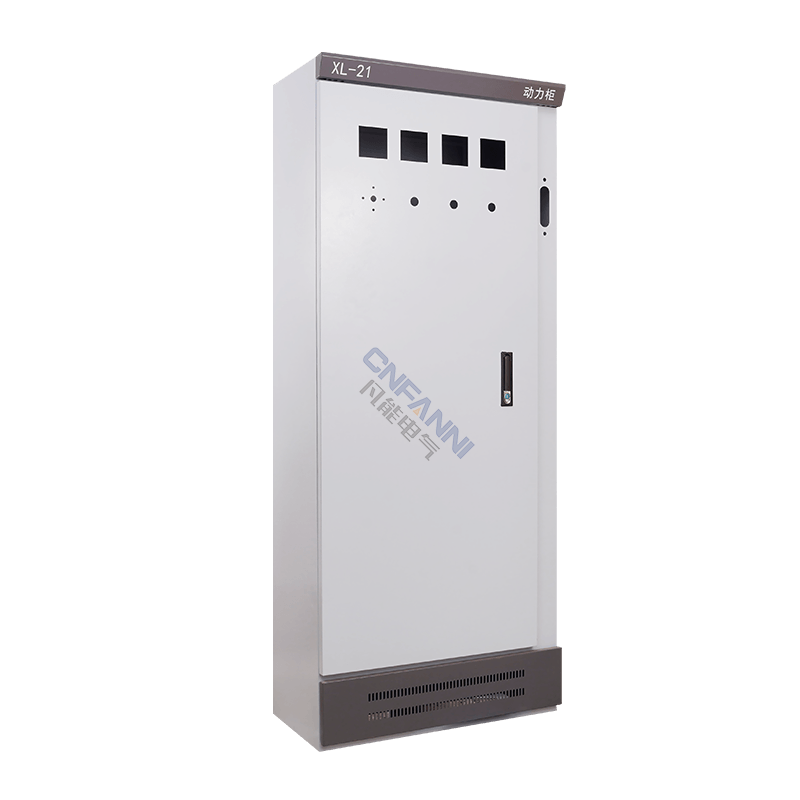
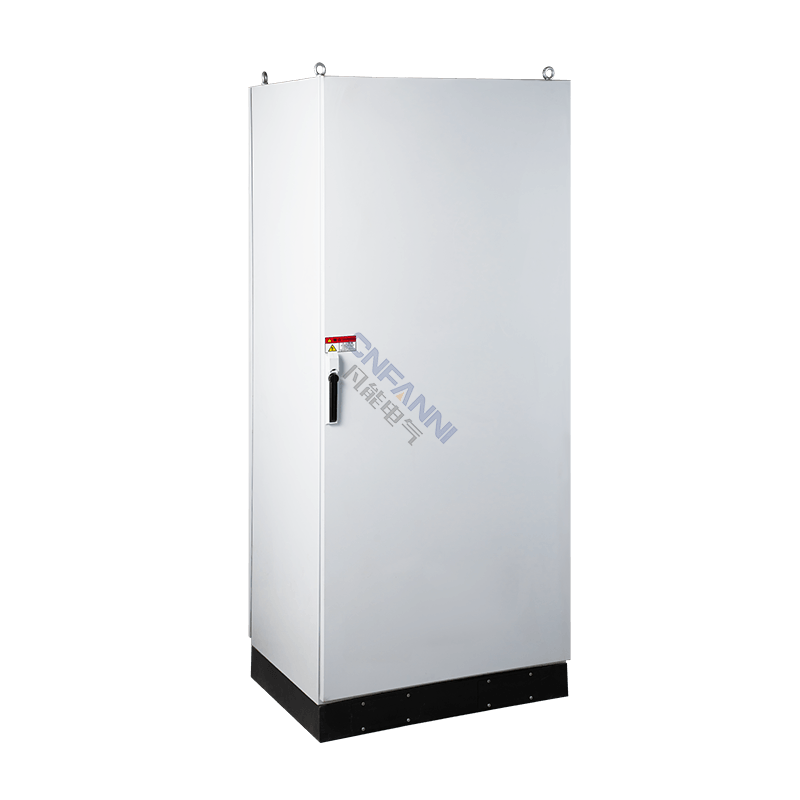
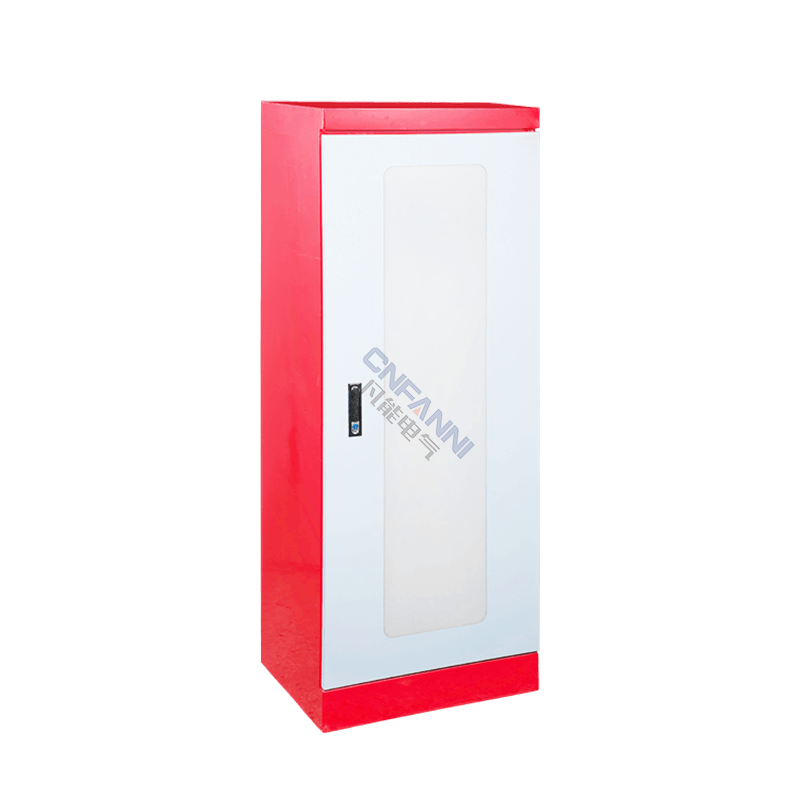
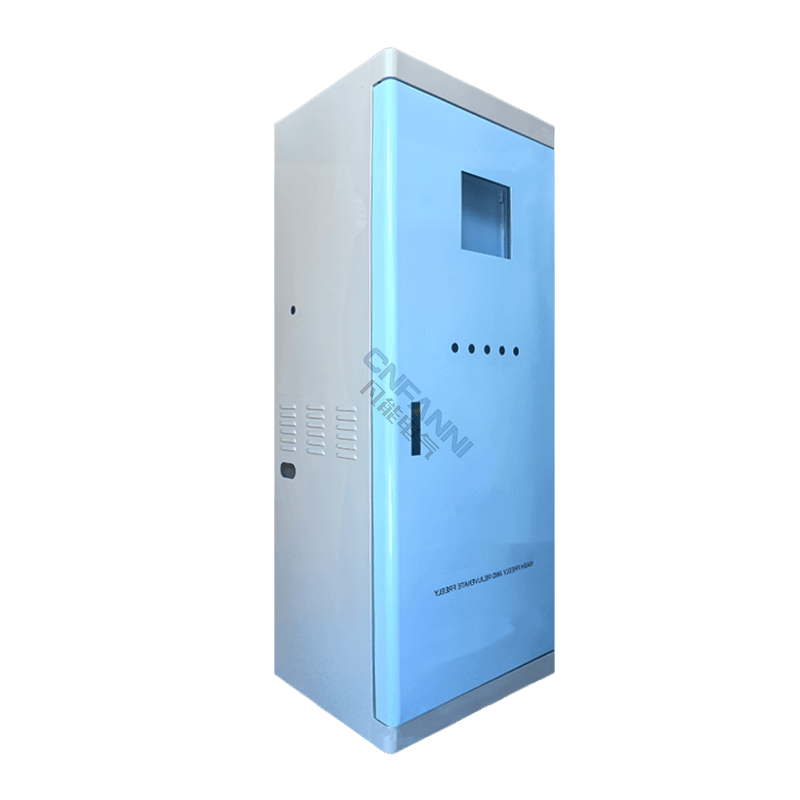
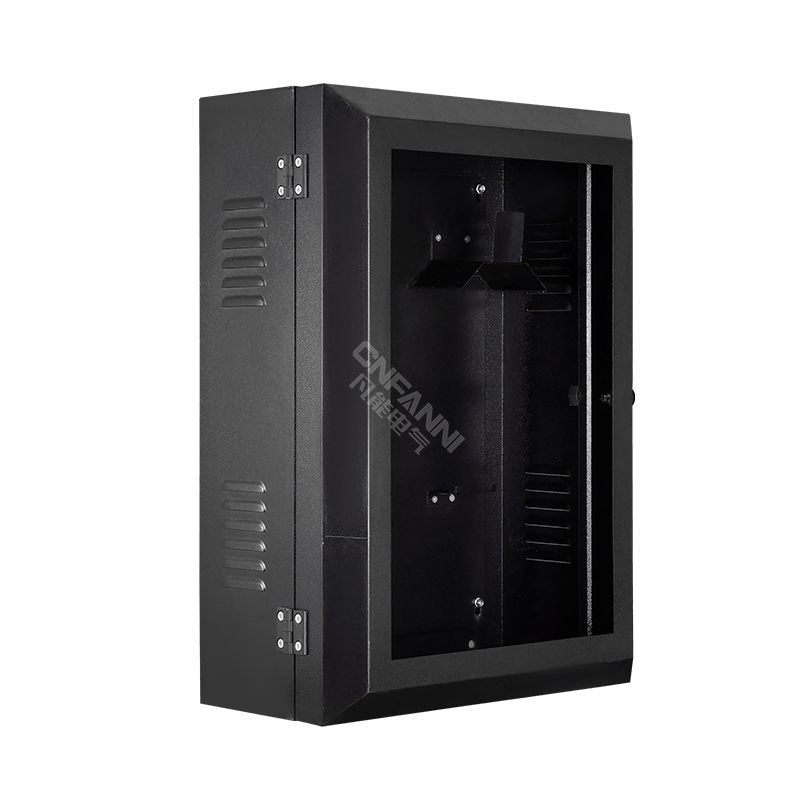
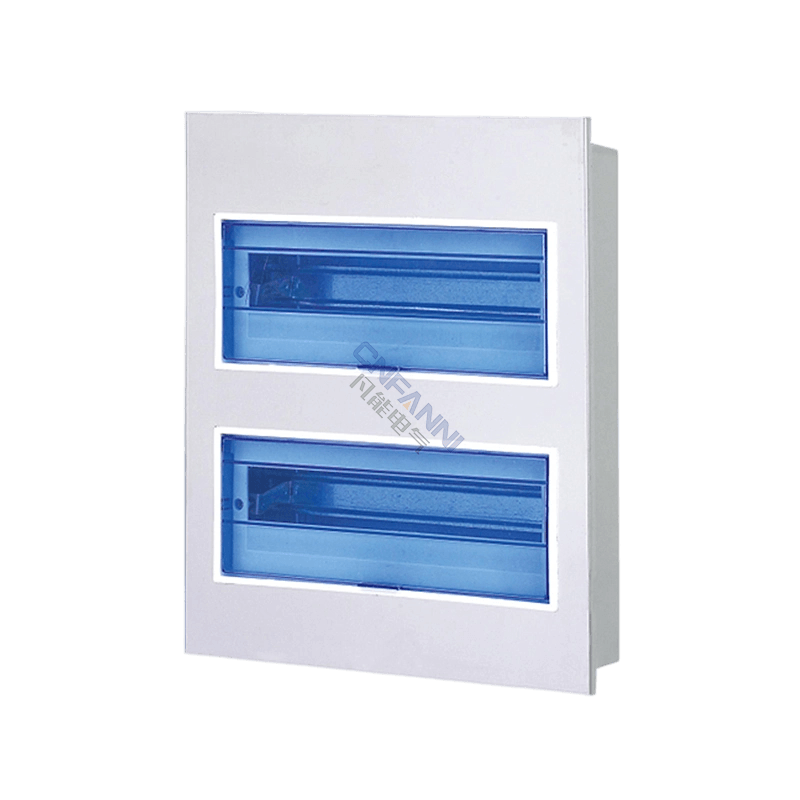
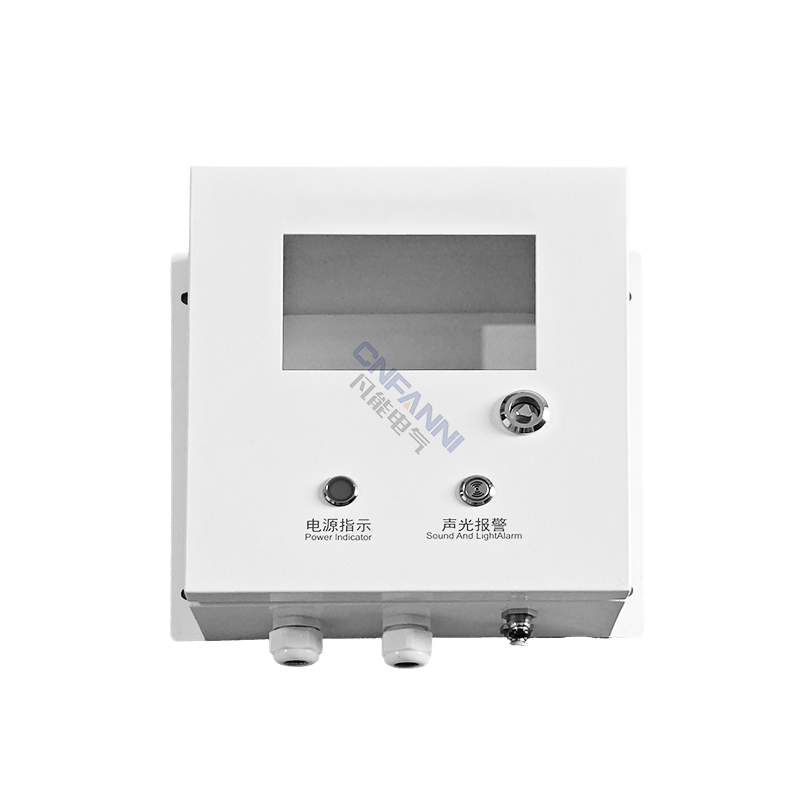
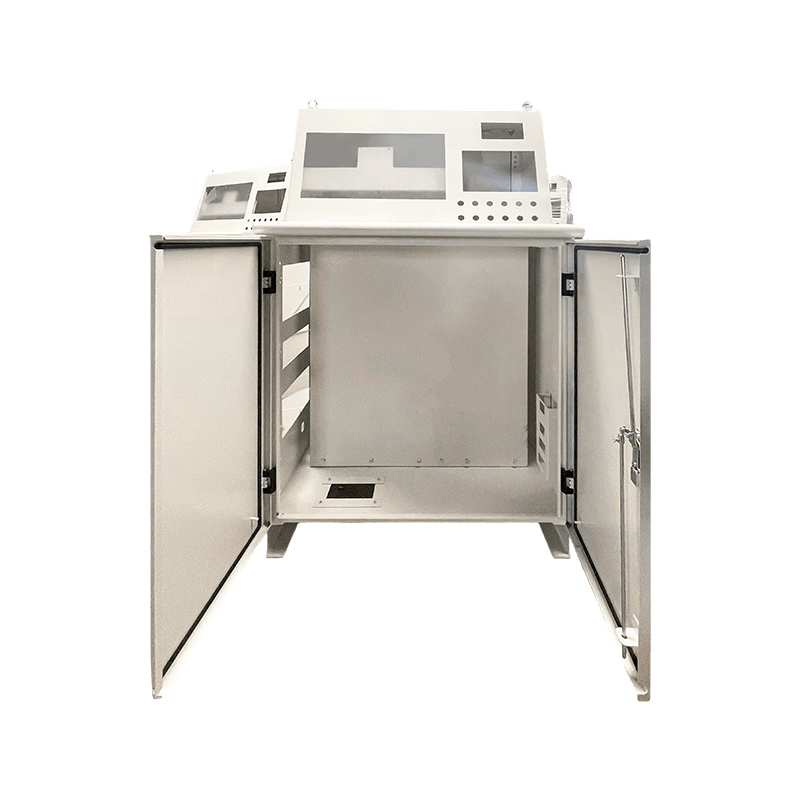
عربىIndustrial control systems are becoming more connected as manufacturers add remote access, edge computing, IIoT devices and data communication to production equipment. While much of the discussion around connected automation focuses on software and network security, the physical control cabinet still forms an important first layer of protection. Unauthorized access, poorly arranged interfaces or an enclosure that does not suit the operating environment can create practical risks for maintenance and system reliability. For machine builders and industrial buyers, an Electrical Control Panel Enclosure should therefore be considered as part of the complete control system rather than simply a metal housing.
Why Physical Access Still Matters
Connecting a control cabinet to a wider industrial network does not remove the need for physical protection. Technicians may need access to PLCs, terminals, drives, communication modules and other devices during installation or maintenance, while unauthorized access should be restricted.
A suitable enclosure can support this through:
- Secure doors and locking arrangements
- Controlled access to internal components
- Appropriate cable entry locations
- Clear separation of service areas
- Protection against accidental contact
The objective is not to make maintenance difficult, but to make access deliberate and manageable.
Connected Equipment Changes Enclosure Requirements
Modern control cabinets can contain networking equipment alongside traditional automation components. Edge controllers, communication gateways and industrial Ethernet devices may introduce additional cabling and hardware into an already crowded enclosure.
Recent industrial automation discussions highlight secure communication, network segmentation and hardware-based security as increasingly relevant to connected control systems.
This means enclosure planning should leave sufficient space for current devices while allowing engineers to manage communication wiring without creating unnecessary congestion.
Can Enclosure Layout Support Better Security?
Physical organization can influence how easily technicians identify and work on critical equipment. A logical arrangement can separate power components from sensitive control and communication devices while making service points easier to locate.
For custom projects, we recommend reviewing the component list before fixing the internal layout. Mounting rails, terminal blocks, communication devices and cable routes should be positioned according to the complete system rather than added one by one during assembly.
Environmental Protection Still Sets the Foundation
Cybersecurity does not replace basic enclosure protection. Dust, moisture, vibration and temperature can still affect the physical equipment responsible for control and communication.
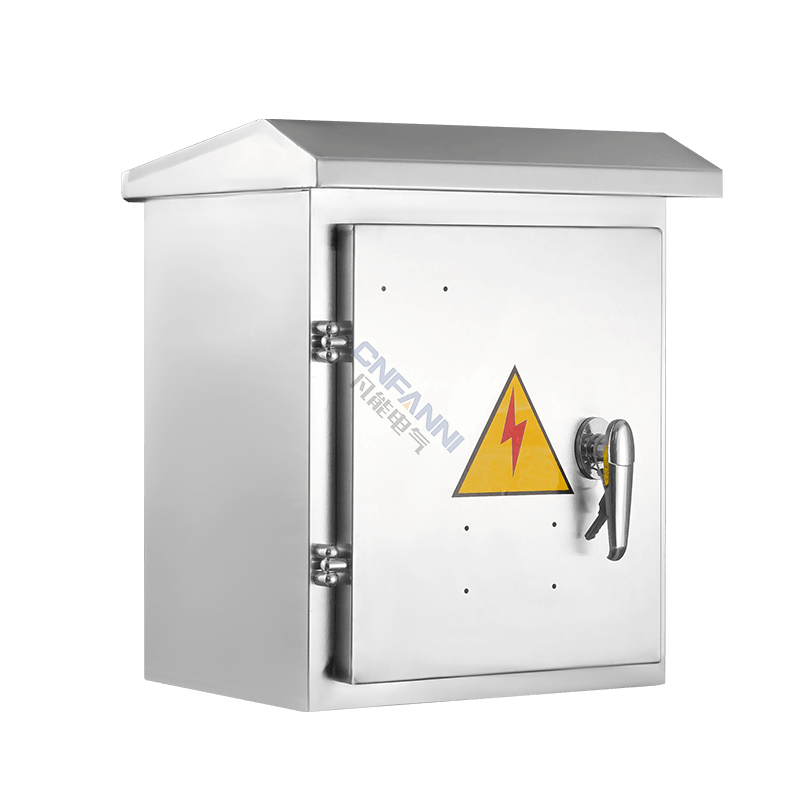
For outdoor machinery, processing plants or other demanding environments, buyers should consider enclosure material, sealing, cable glands, surface treatment and required ingress protection together. The selected protection level should correspond to the actual installation conditions instead of being chosen simply because it sounds more robust.
What About Remote Maintenance?
Remote connectivity can reduce the need for technicians to travel to every machine, but it also increases the importance of physical and digital access controls working together. Industry reporting has recently highlighted how increasing connectivity across energy and industrial infrastructure is expanding the potential cybersecurity attack surface.
From an enclosure perspective, this makes practical details worth considering. Communication devices should remain accessible to authorized technicians while unnecessary openings, exposed interfaces and poorly protected cable entries should be avoided.
Customization Helps Match Different Machine Architectures
A standard cabinet may not provide the right combination of access, mounting space and environmental protection for every machine. OEM equipment frequently has its own frame dimensions, cable directions, operator interfaces and component combinations.
Custom enclosure manufacturing can accommodate requirements such as:
- Customized mounting plates
- Door cutouts for HMIs and switches
- Defined cable entry positions
- Internal partitions
- Special surface treatments
- Different access or locking configurations
Early drawing review allows these details to be resolved before fabrication rather than modified after installation.
Choosing a Manufacturer for Long-Term Projects
For OEM buyers, enclosure security and reliability ultimately depend on more than the finished cabinet. Manufacturing consistency, dimensional control and communication between engineering and production teams are equally important.
As a manufacturer, we review customer drawings, component arrangements, material requirements and installation conditions before production. This helps ensure that the enclosure matches the equipment it is designed to protect and that repeat orders can follow the approved configuration.
As industrial systems continue to connect more closely with IT and OT networks, physical protection will remain part of the broader reliability strategy. For machine builders and procurement teams, selecting an Electrical Control Panel Enclosure with appropriate access control, environmental protection, internal organization and customization capability can provide a stronger physical foundation for connected automation equipment.