

 English
 русский
 عربى
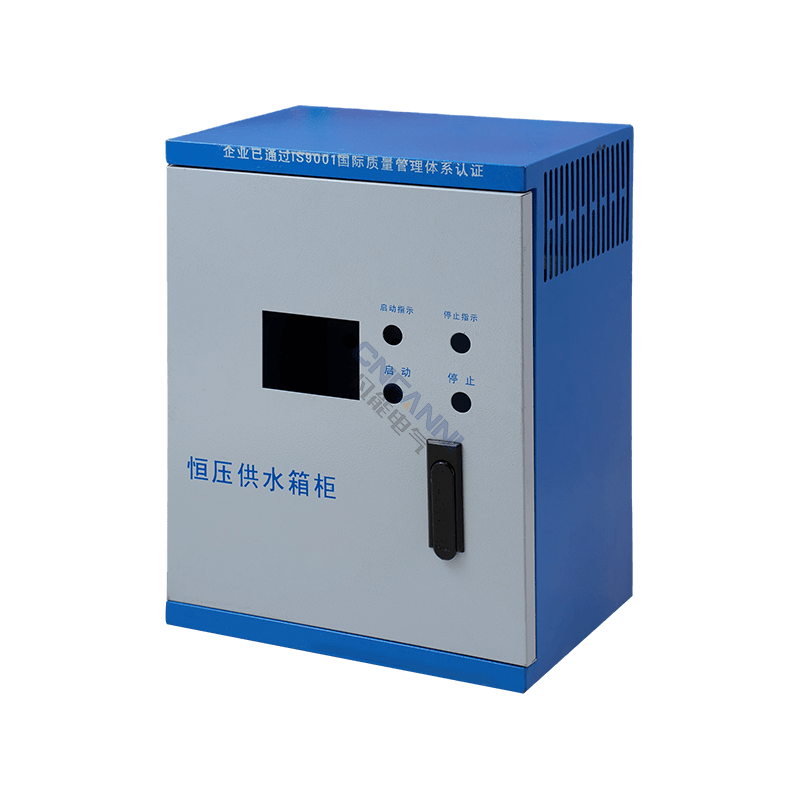
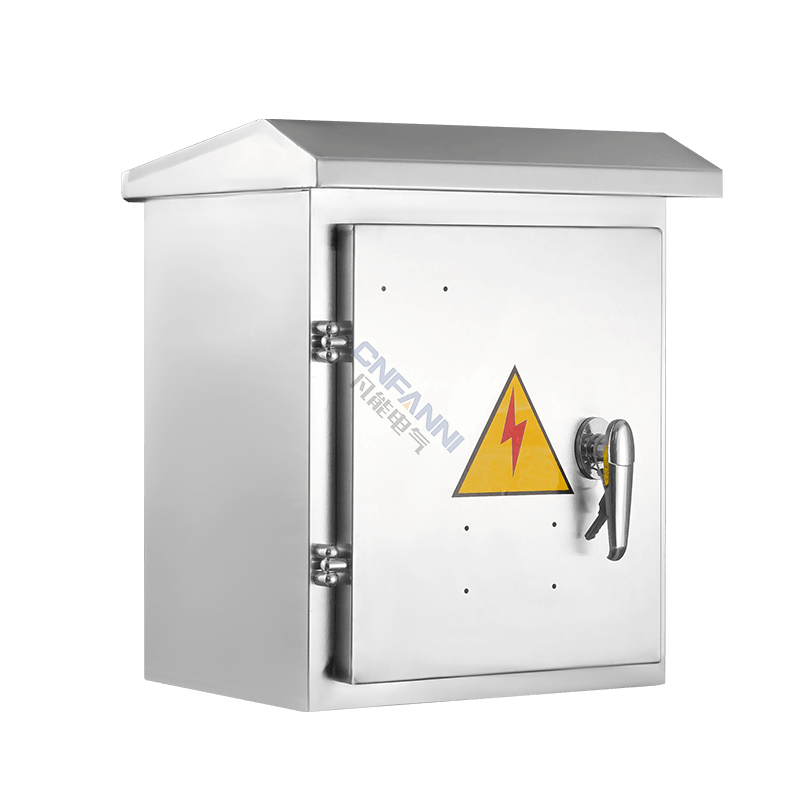
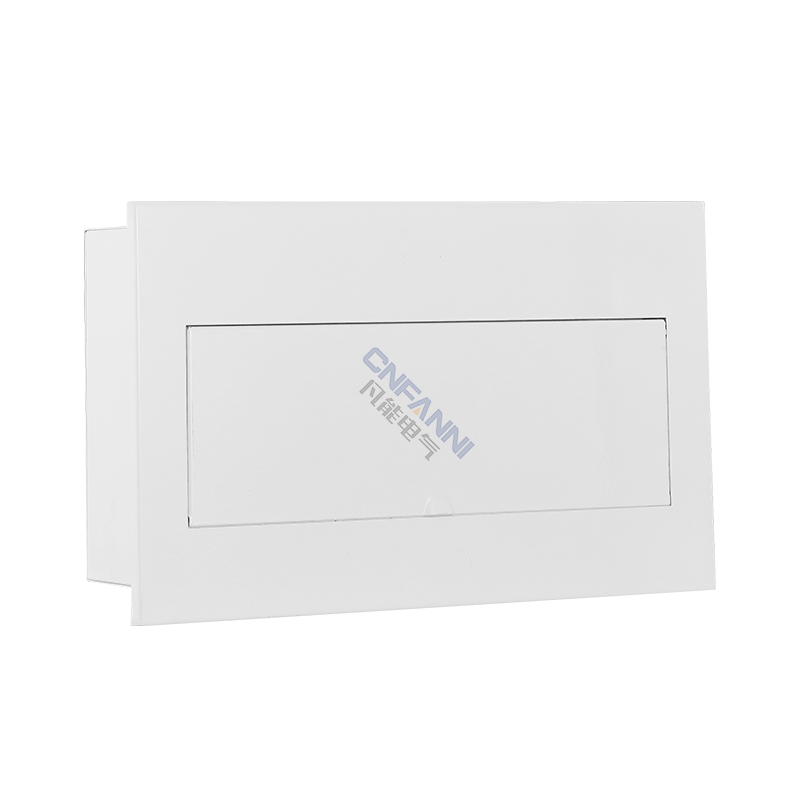
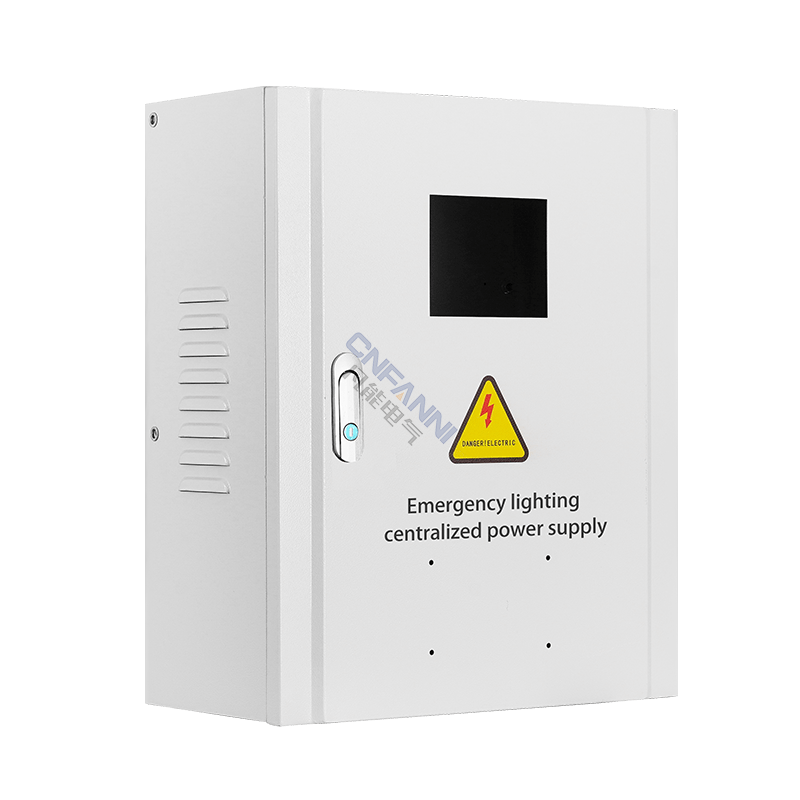
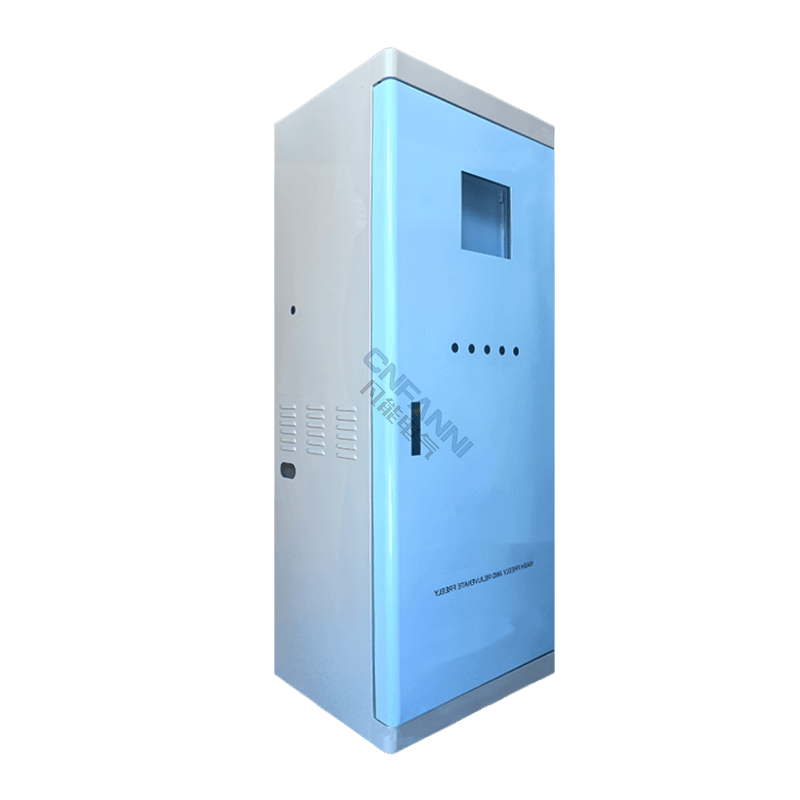
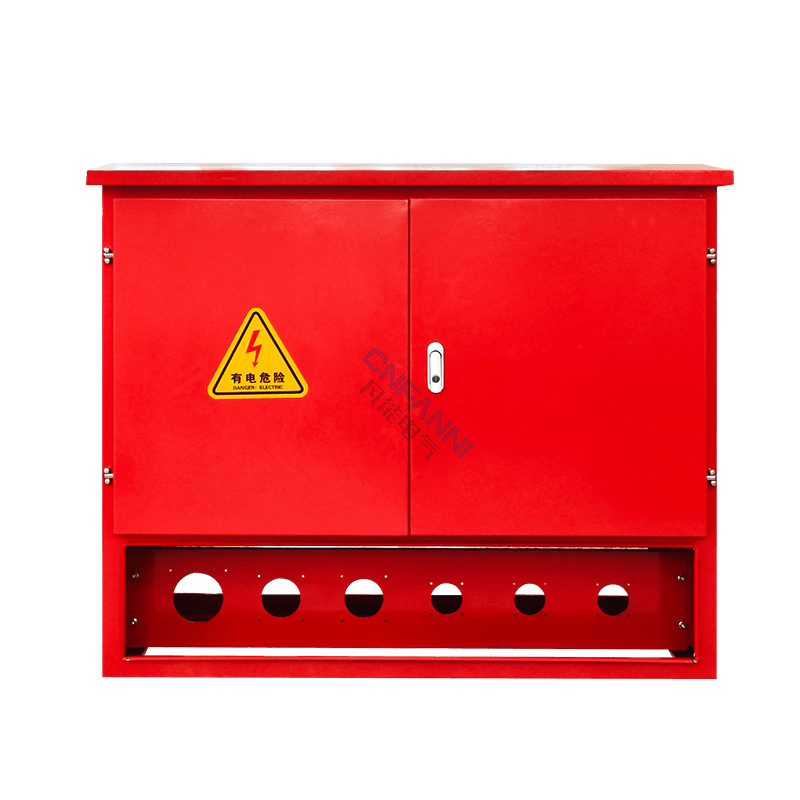
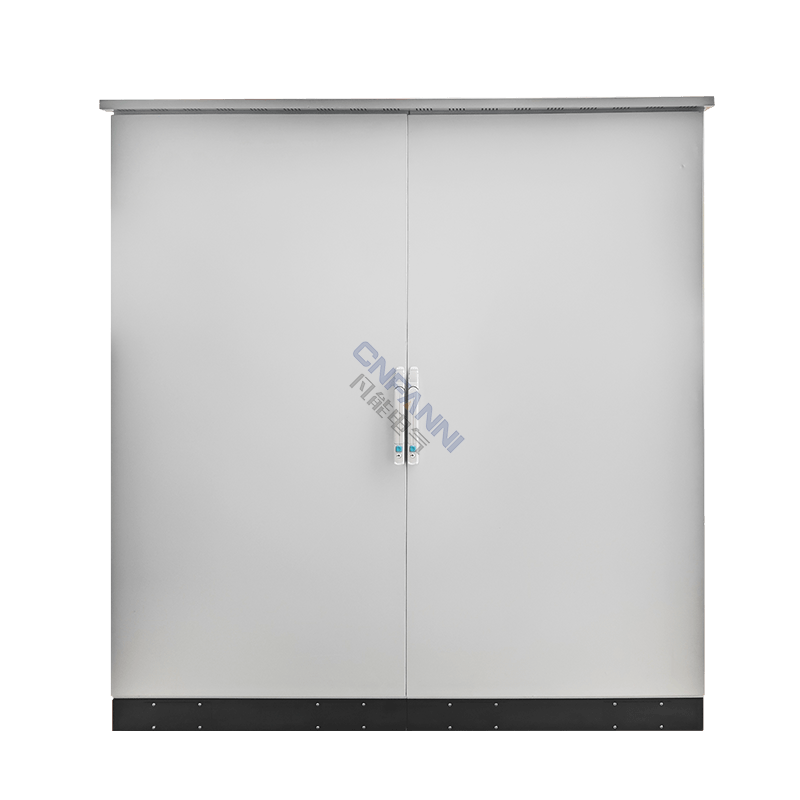
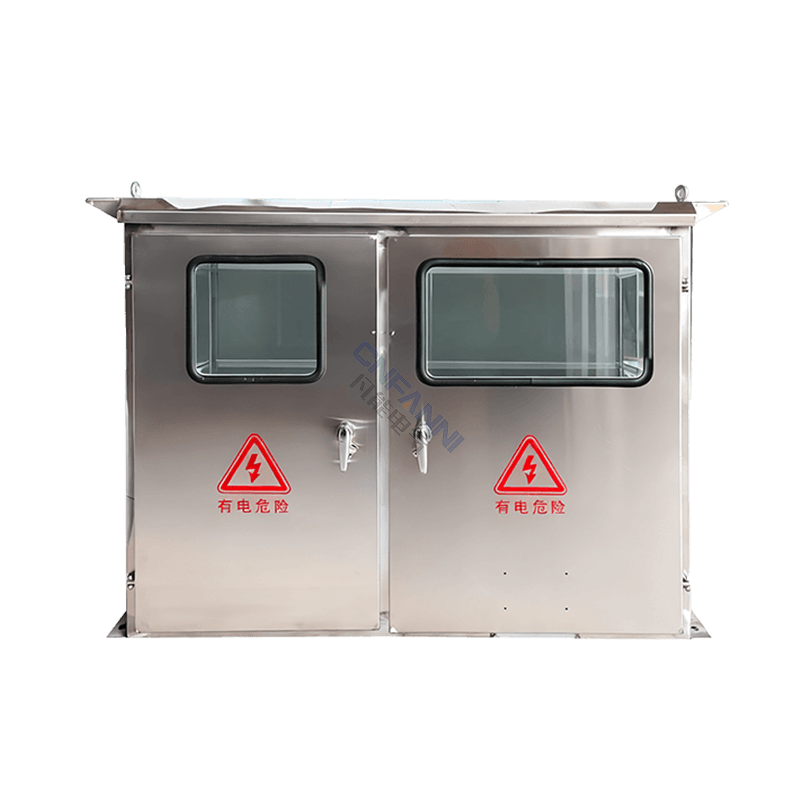
عربىAs industrial machines become more connected, control cabinets are no longer housing only PLCs, breakers and conventional wiring. Communication gateways, sensors, networking devices, edge controllers and additional power electronics are increasingly being integrated into the same space. This creates a practical design challenge: how can engineers fit more functions into a cabinet without making wiring, heat management and maintenance unnecessarily complicated? A properly designed Electrical Control Panel Enclosure should address these issues from the beginning, giving machine builders and industrial buyers a practical foundation for connected automation systems.
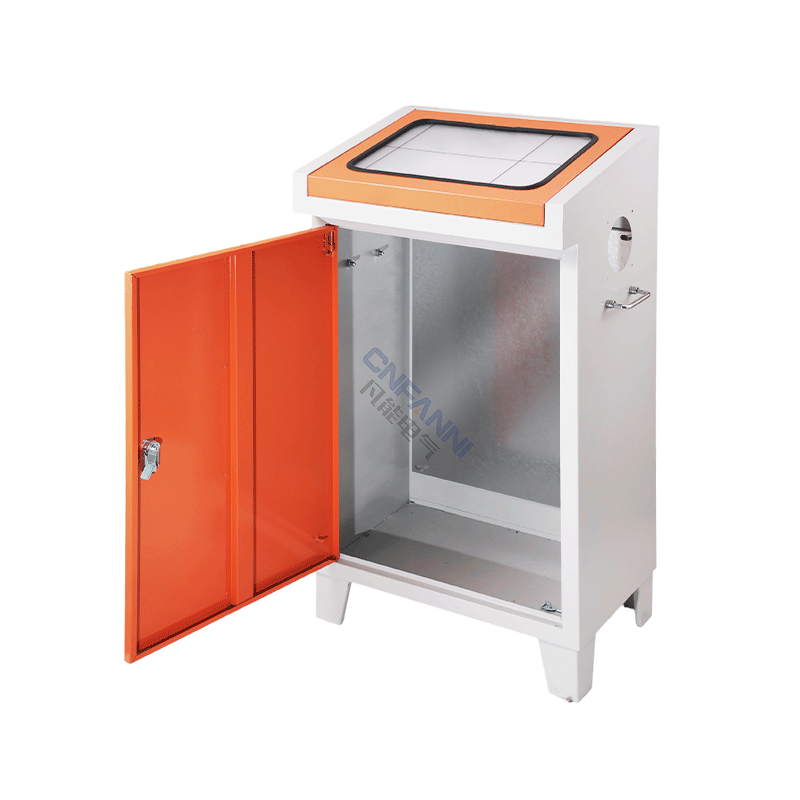
More Electronics Can Mean Less Usable Space
Adding communication and control devices does not simply increase the component count. Each device also requires mounting space, cable connections and access for commissioning or replacement.
When the internal arrangement is planned too late, engineers may encounter crowded DIN rails, difficult cable routing or insufficient clearance around heat-generating components. A useful approach is to map the major components and their connections before finalizing enclosure dimensions.
Can Power and Signal Wiring Share the Same Space?
As control systems become more connected, the relationship between power wiring and low-level signal cables deserves closer attention. Drives, contactors and other power devices can create electrical noise that may affect sensitive communication or control signals when routing is poorly planned.
For panel builders, practical separation can include:
- Dedicated routing paths for different cable types
- Appropriate spacing between power and signal wiring
- Logical terminal placement
- Shorter and cleaner communication cable routes
- Clear identification for commissioning and service work
The exact arrangement should be based on the equipment and system architecture rather than following a fixed layout for every project.
Thermal Management Gets Harder as Cabinets Get Fuller
Connected automation adds another layer to the thermal design problem. Networking equipment, power supplies, drives and controllers all contribute to heat inside the enclosure. Recent enclosure engineering discussions emphasize that thermal requirements should be considered during design instead of being treated as a final-stage cooling decision.
As a manufacturer, we review component density, ambient conditions and enclosure construction together. Depending on the application, the solution may involve natural heat dissipation, ventilation, filtration or active cooling.
Maintenance Access Should Survive Future Modifications
A cabinet that is easy to assemble is not necessarily easy to maintain. Industrial systems are often modified after commissioning, so technicians may eventually need to replace a controller, add a communication module or reroute cables.
This is why usable working space matters. Door clearance, removable mounting plates, terminal accessibility and cable-entry positions should be considered alongside the initial component layout.
Designing with future service work in mind can prevent a compact cabinet from becoming difficult to work on later.
Why Custom Enclosure Fabrication Can Be Practical
Standard cabinets can meet many common requirements, but machine builders often have their own mounting patterns, component combinations and space limitations. A custom electrical control panel enclosure allows the physical structure to follow the actual machine rather than forcing the equipment into a generic layout.
Customization may involve:
- Mounting plate dimensions
- Door cutouts and operator interfaces
- Cable gland positions
- Cooling provisions
- Internal partitions
- Material and surface treatment
For OEM projects, early drawing review is especially useful because enclosure modifications are easier to manage before fabrication starts.
Manufacturing Consistency Matters for Repeat Projects
For procurement teams ordering multiple control cabinets, the first sample is only part of the evaluation. Repeatability becomes important when the same enclosure needs to be installed across several machines or production sites.
Our manufacturing process therefore focuses on maintaining consistency between approved drawings and finished products. Dimensional accuracy, cutout positions, component mounting and assembly details all need to remain controlled throughout production.
This is also where clear technical documentation can save time between the buyer, engineering team and manufacturer.
Choosing an Enclosure Around the Complete System
The growing use of IIoT, edge computing and connected industrial devices is changing what needs to fit inside control cabinets. Industry sources now highlight the need to integrate additional networking infrastructure, cabling, cooling and power within limited panel space.
For machine builders and procurement teams, the right Electrical Control Panel Enclosure should therefore be evaluated as part of the complete automation system, not simply as an empty cabinet. When component layout, signal routing, thermal management, service access and manufacturing consistency are considered together, the enclosure becomes a practical tool for building cleaner, easier-to-maintain and more adaptable industrial control systems.