

 English
 русский
 عربى
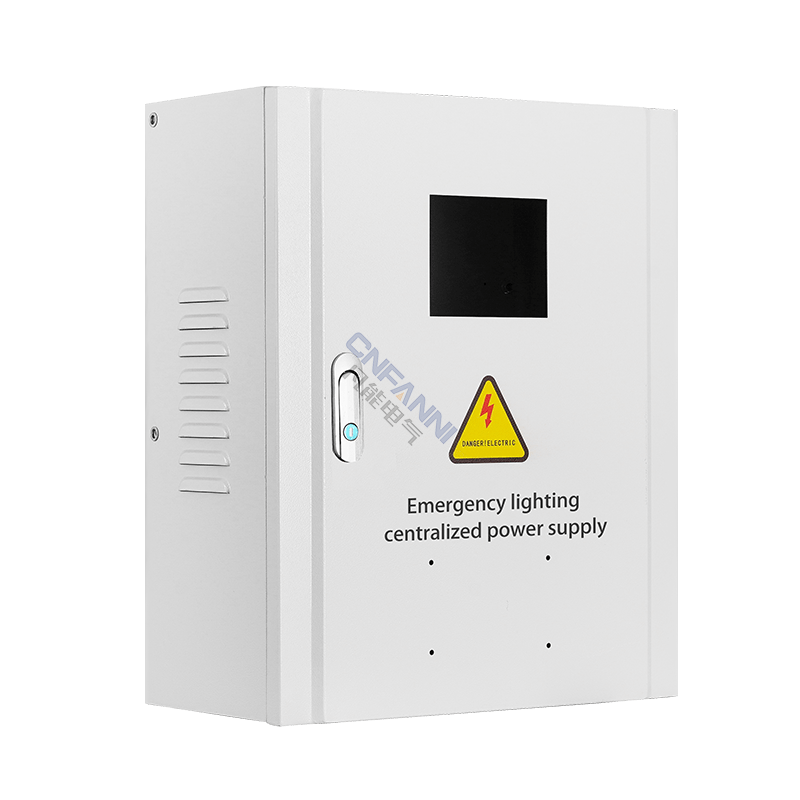
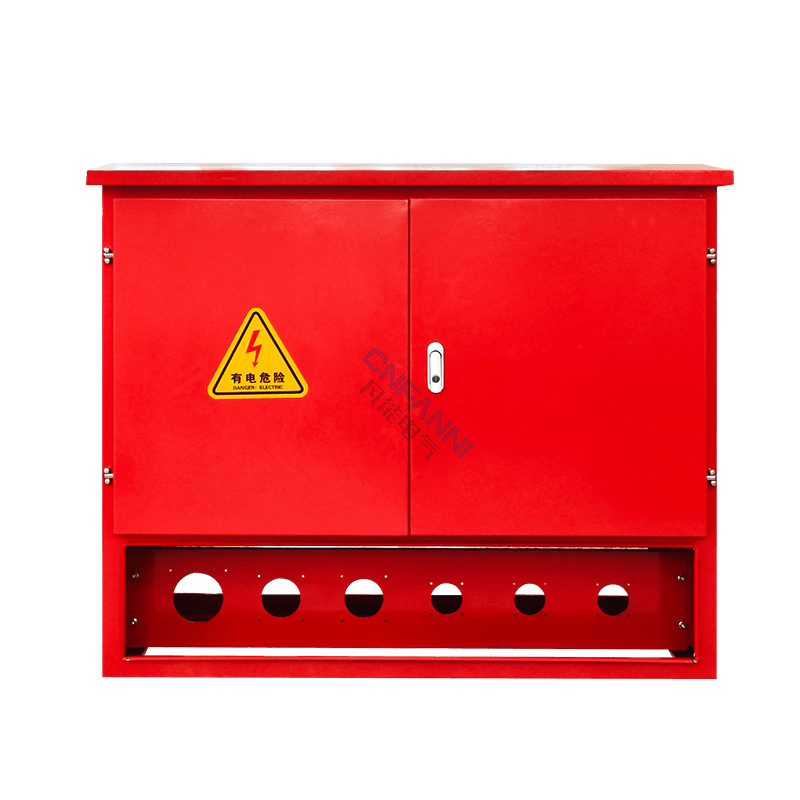
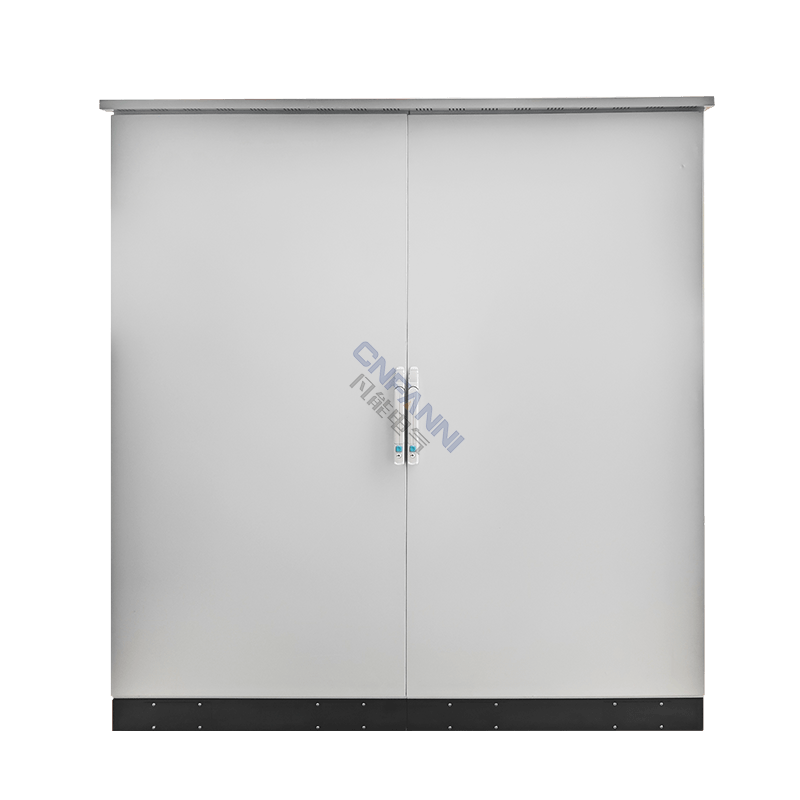
عربىElectrical control panel enclosure systems are essential in industrial and commercial power distribution, providing secure housing for control devices and wiring. With global industrial automation on the rise, the market for Electrical Control Panel Enclosure solutions is evolving quickly to meet demands for durability, safety, and custom configurations. Demand for ruggedized electrical protective solutions continues to grow each year, driven by expansion in manufacturing, energy infrastructure, and transportation projects across multiple regions.
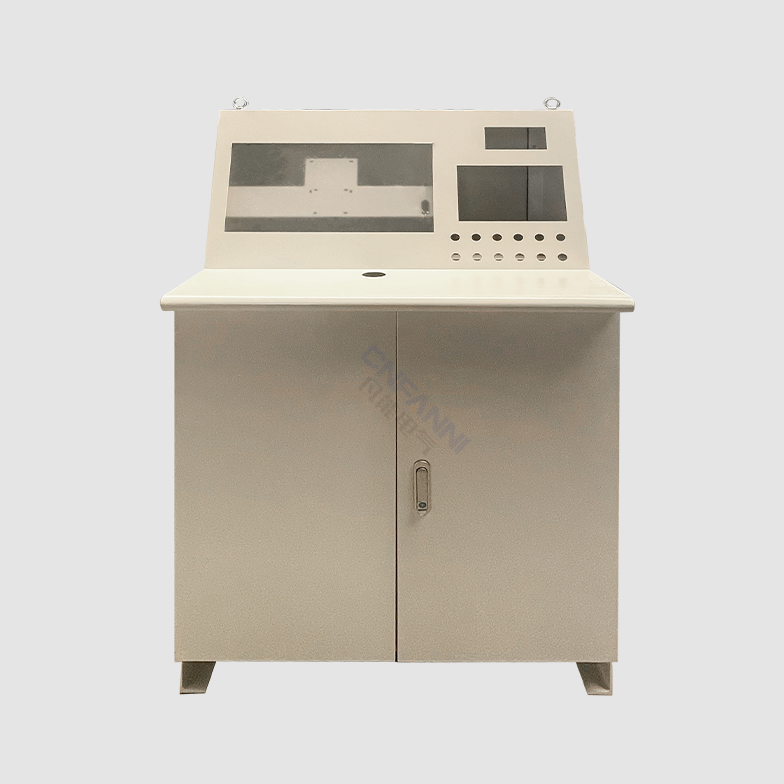
Modern control panel enclosures are designed to fulfill several critical roles within electrical systems. First and foremost, they provide protection for sensitive electrical components, including circuit breakers, programmable logic controllers (PLCs), relays, and contactors, against harsh environmental conditions such as dust, moisture, temperature fluctuations, and mechanical impacts. This ensures reliable operation even in industrial environments with vibration, chemical exposure, or outdoor installation requirements.
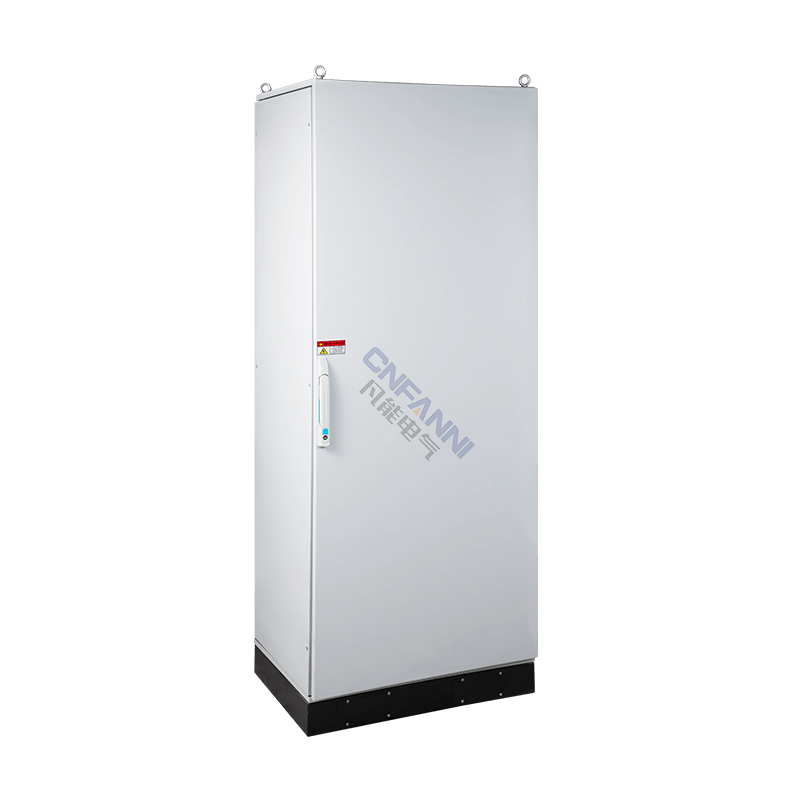
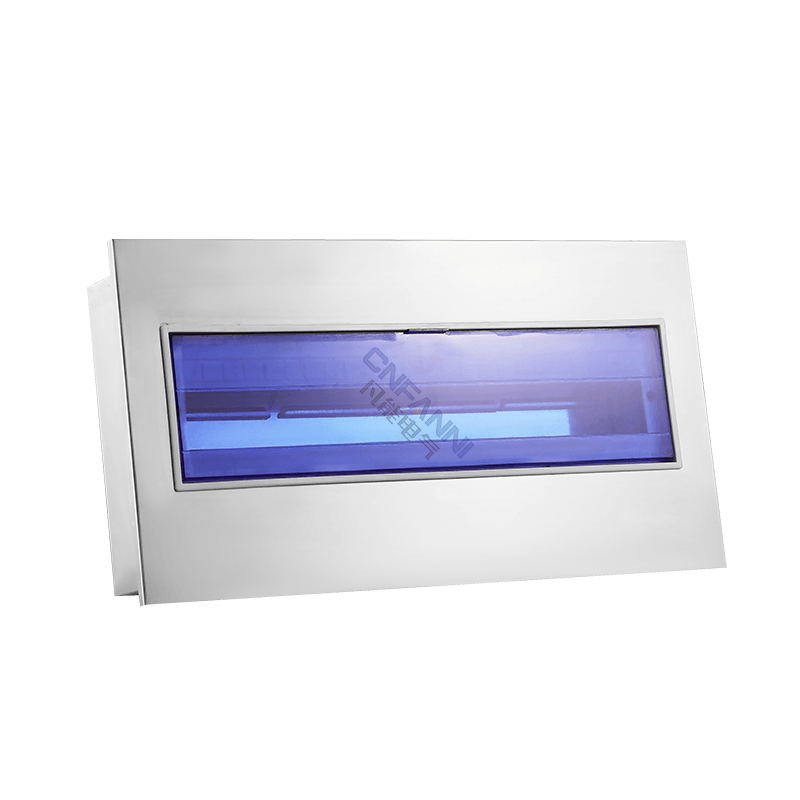
In addition to protection, these enclosures play a vital role in organizing complex wiring systems. Internal layouts often include features such as DIN rails for mounting modular devices, cable management channels, and wiring ducts, which allow technicians to route power and control cables neatly. This organized arrangement not only facilitates easier installation and maintenance but also reduces the risk of wiring errors, short circuits, or overheating caused by tangled or poorly secured cables. Some enclosures even incorporate removable panels, hinged doors, or modular compartments to simplify access during routine inspections or equipment upgrades.
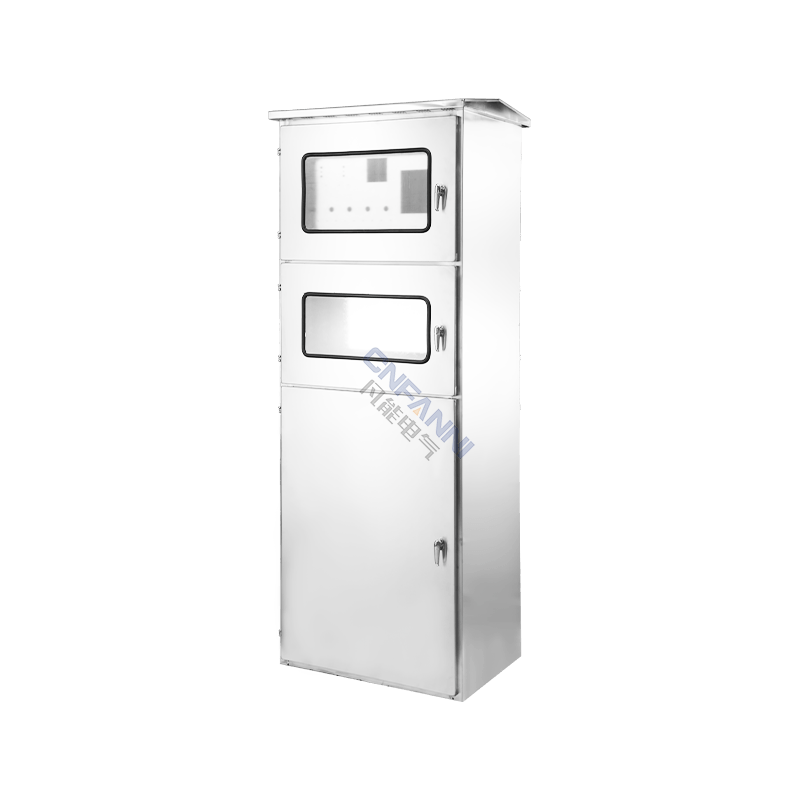
Material selection is another crucial factor in ensuring the enclosure’s performance and longevity. Commonly used materials include galvanized steel, aluminum, and stainless steel. Galvanized steel provides high structural strength at a relatively low cost and offers moderate corrosion resistance, making it suitable for indoor and semi-outdoor applications. Aluminum is lightweight, corrosion-resistant, and easy to machine or fabricate, which allows for custom designs with a reduced weight burden. Stainless steel, particularly grades like 304 or 316, is used in highly corrosive or outdoor environments, offering resistance to rust, chemical exposure, and harsh weather while maintaining structural integrity.
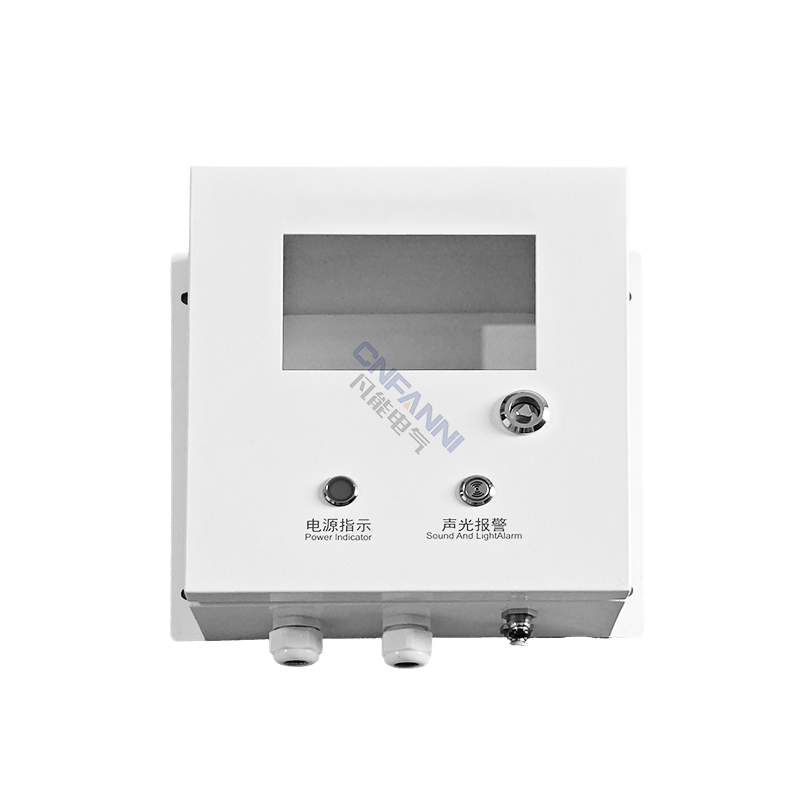
One of the emerging trends is the customization of enclosures to accommodate specific application needs. While standard sizes are readily available, engineers increasingly request bespoke designs that account for unusual layouts, additional hardware mounts, or integrated operator interfaces. OEM partnerships have become common, with manufacturers offering tailored cutouts, labeling, and specific door hardware to match installation conditions. Such tailored builds can reduce installation time on site and lower lifecycle maintenance costs.
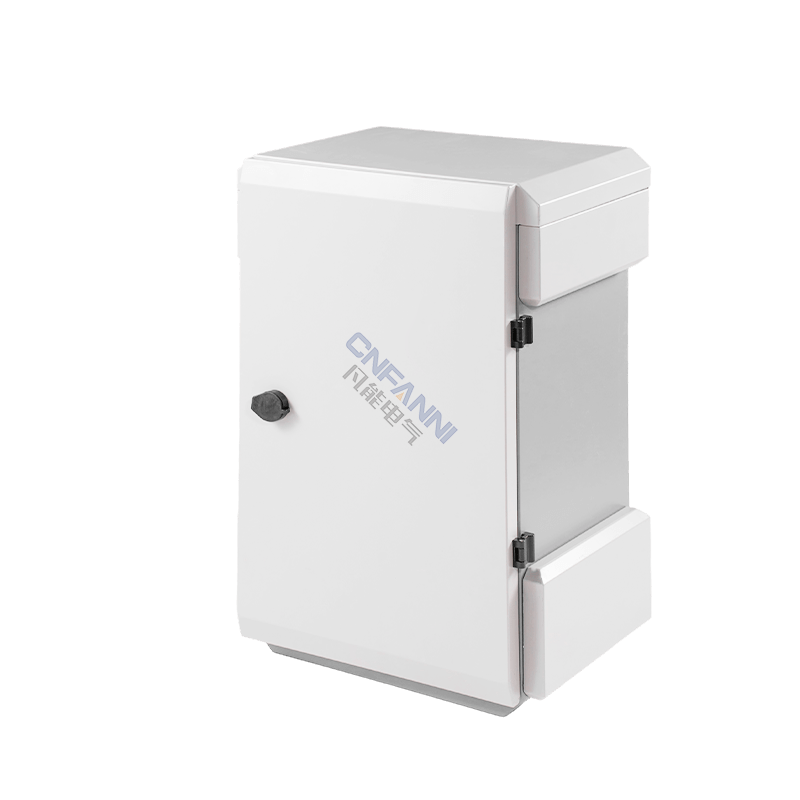
In environments where moisture, dust, and mechanical stress present challenges, enclosures with enhanced protective features are important. IP-rated enclosures, for example, are tested to resist dust ingress and water jets, ensuring long-term reliability in both indoor and outdoor facilities. Recyclable and sustainable materials are also gaining attention as customers seek products that align with environmental goals.
Across industrial sectors such as automotive manufacturing, data centers, and power generation, integrating advanced control panel enclosures with digital monitoring tools helps operators detect anomalies early. Remote monitoring features are becoming more common, enabling facility managers to track environmental conditions or component health without physical inspection. This combination of rugged protection and intelligence enhances overall system uptime.
As industrial systems become more interconnected, the importance of reliable panel protection cannot be overstated. From harsh factory floors to sophisticated automation centers, systems that house critical control interfaces must endure and perform predictably. With careful design and compliance to safety standards, Electrical Control Panel Enclosure solutions remain foundational to modern electrical infrastructure and protection strategies.