

 English
 русский
 عربى
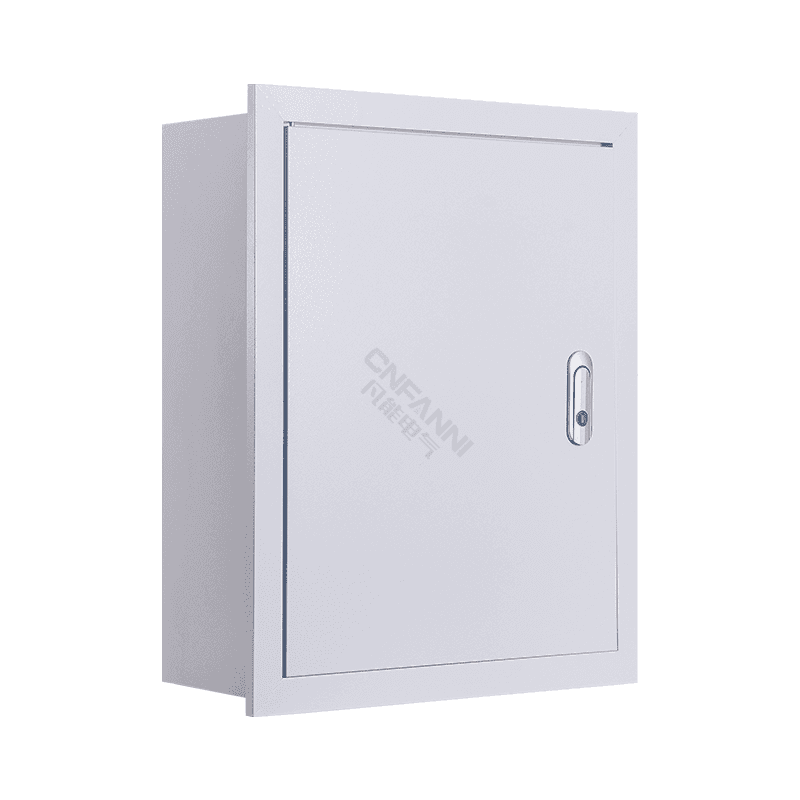
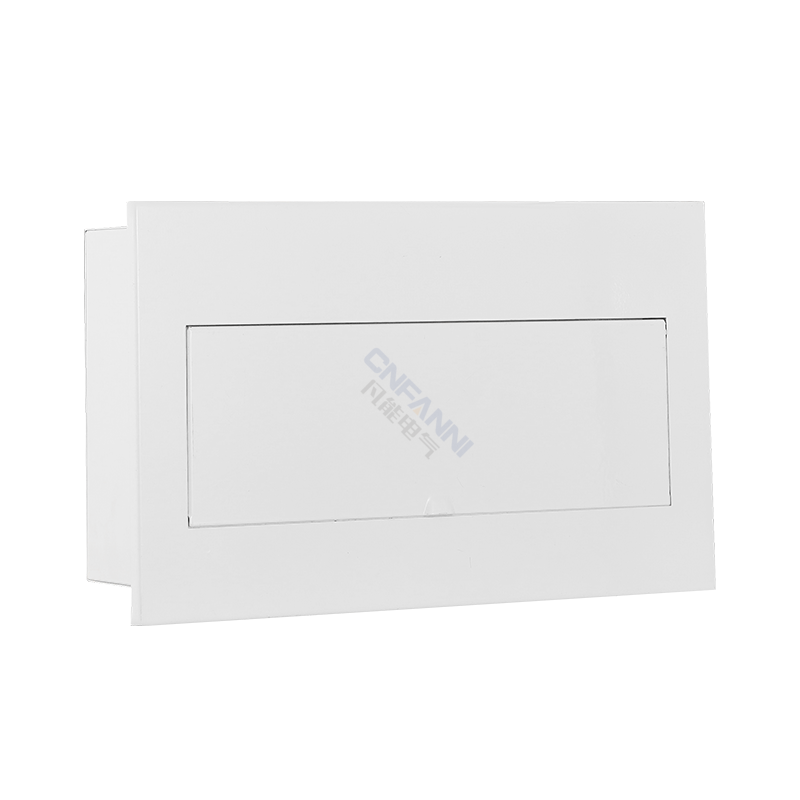
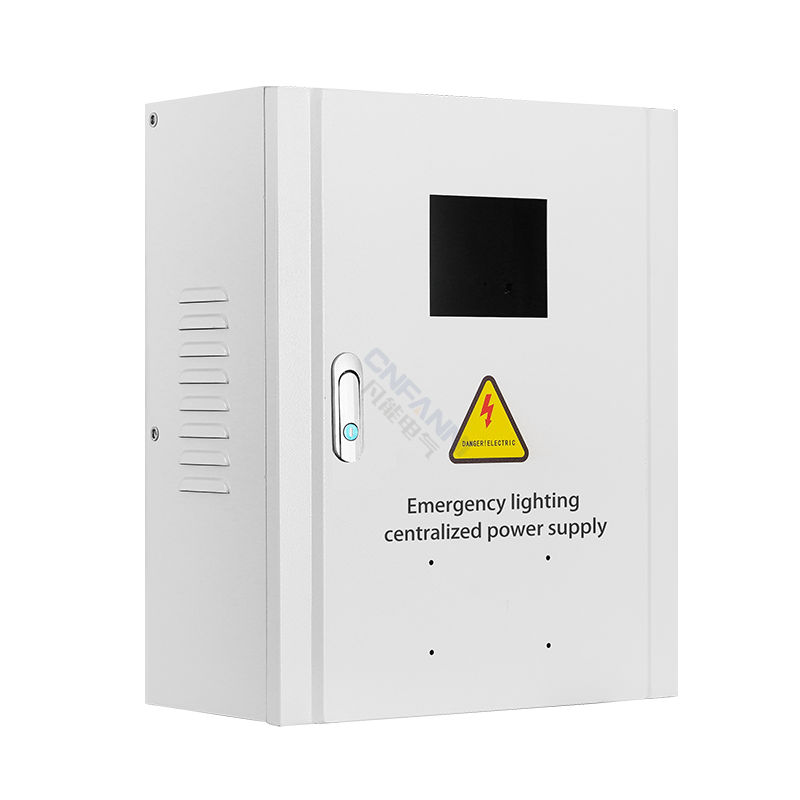
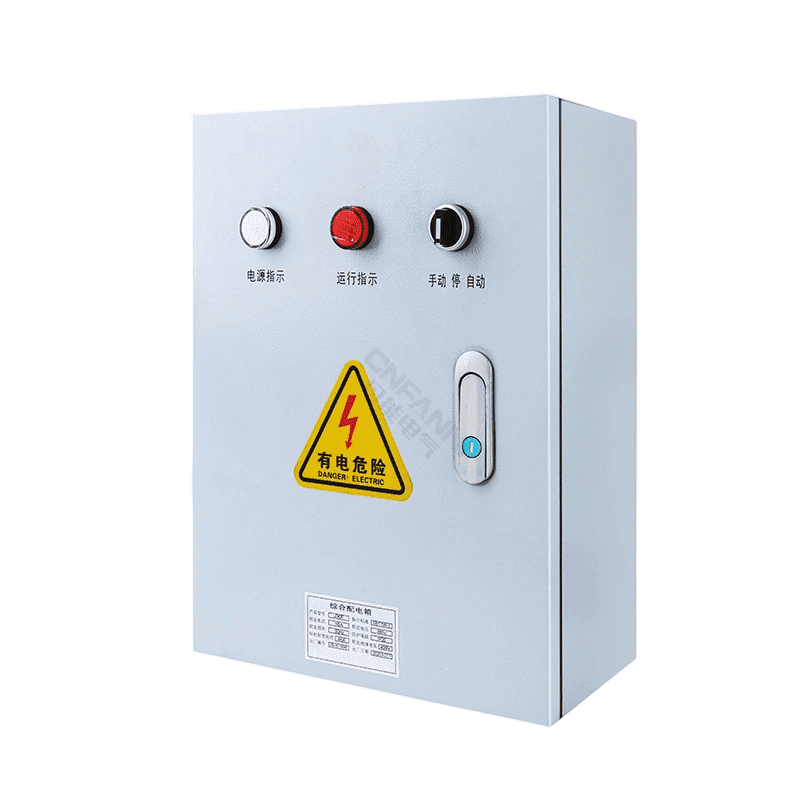
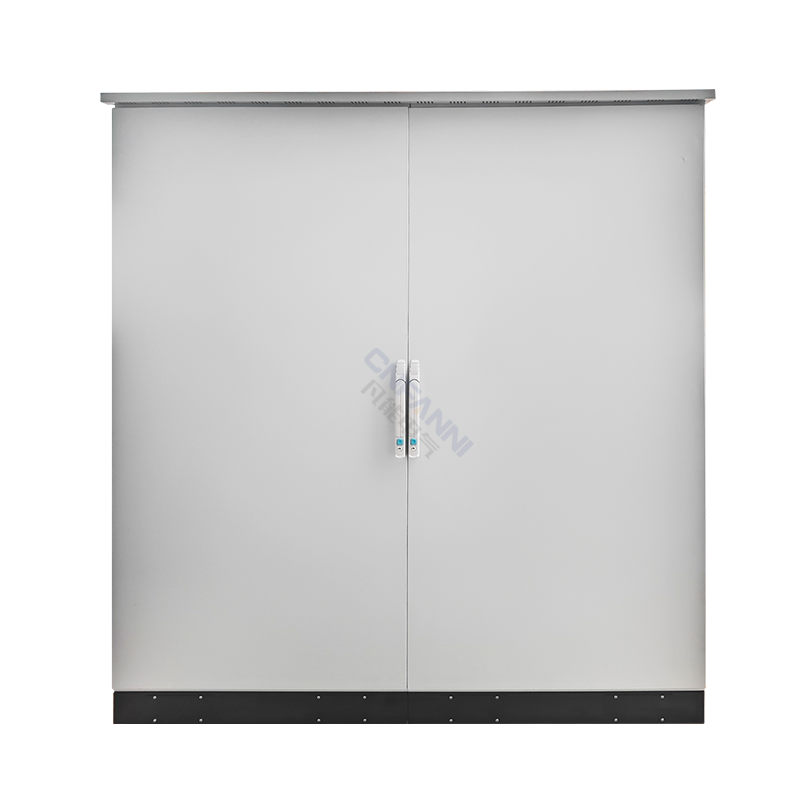
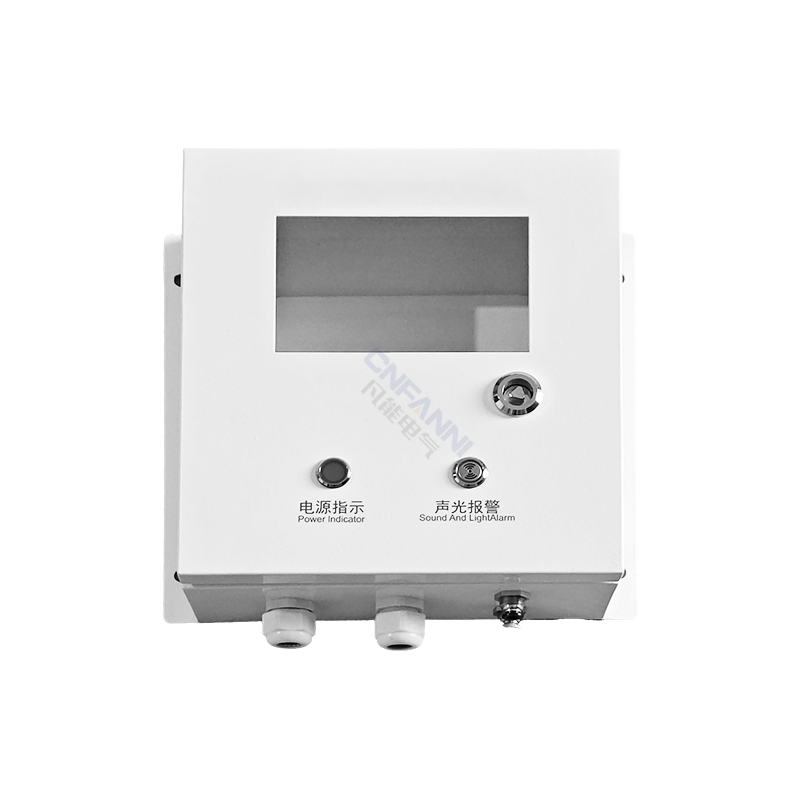
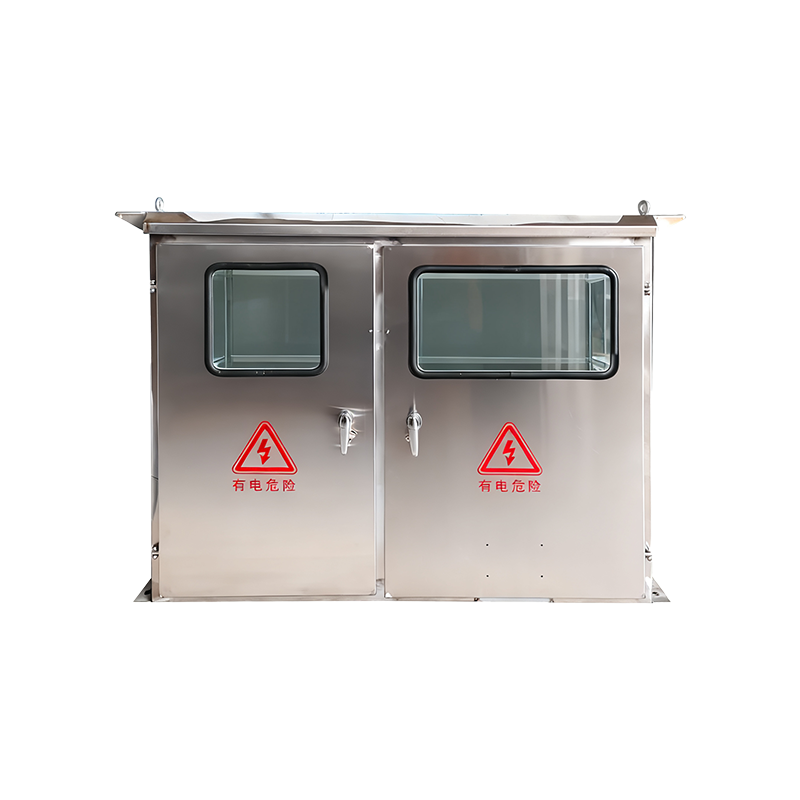
عربىIn today’s global industrial and infrastructure development, electrical safety, system reliability, and environmental adaptability have become central concerns for engineers and project buyers. As a manufacturer specializing in Distribution Board OEM, we observe increasing demand for customized, durable, and regulation-compliant solutions that can perform consistently across different working environments. From smart factories to renewable energy plants, electrical distribution systems are evolving rapidly to meet higher technical expectations.
Rising Demand for Customized Distribution Systems
One of the most noticeable industry shifts is the move toward customization. Standard off-the-shelf distribution panels are no longer sufficient for complex engineering projects. Instead, OEM solutions allow buyers to define internal layouts, circuit configurations, and protective device integration according to project requirements.
This trend is especially strong in commercial construction and industrial automation, where electrical loads and safety requirements vary significantly. By adopting OEM distribution boards, engineering teams can reduce installation time, improve system compatibility, and ensure better long-term operational control.
Expanding Applications Across Global Industries
Electrical distribution boards are now essential across multiple sectors:
- Industrial manufacturing plants
- Renewable energy systems such as solar and wind power stations
- Transportation infrastructure, including rail and airport facilities
- Commercial buildings and high-rise developments
- Data centers and communication networks
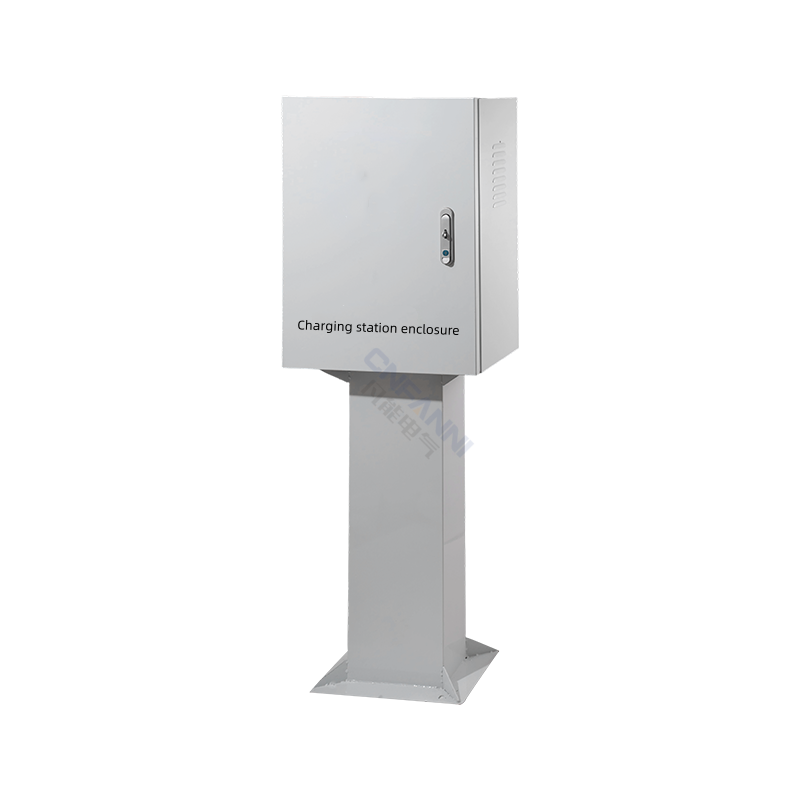
Each application presents different environmental and electrical challenges. For example, renewable energy systems often require outdoor installations with exposure to humidity, dust, and temperature fluctuations, while data centers require high stability and continuous power distribution without interruption.
Material Selection and Structural Reliability
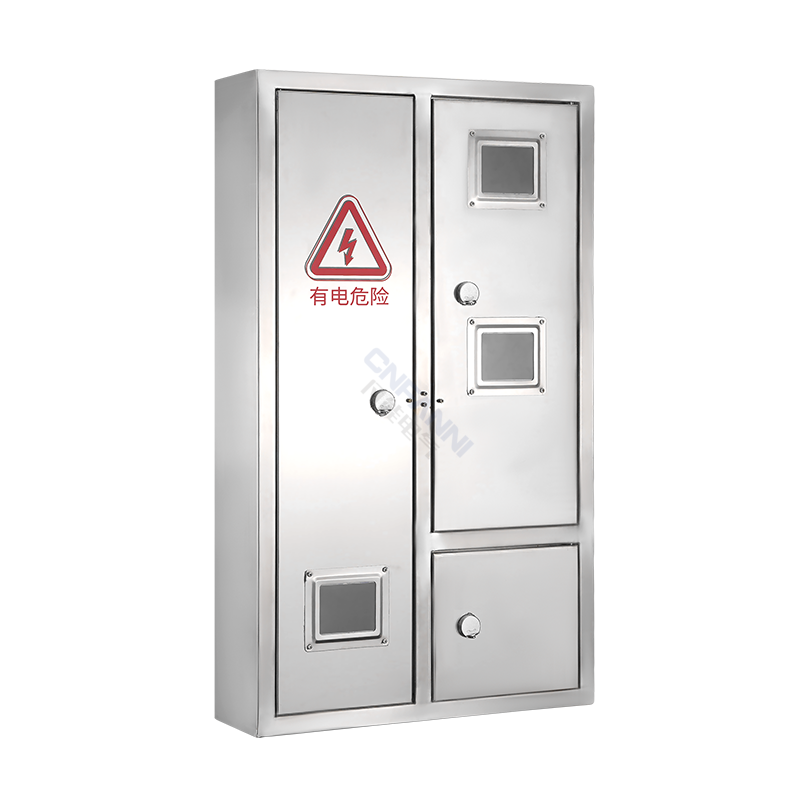
Material engineering plays a key role in determining enclosure performance. Stainless steel is widely used due to its excellent corrosion resistance and mechanical strength. It is particularly suitable for environments exposed to moisture, salt spray, or industrial chemicals.
In modern manufacturing, precision laser cutting, CNC bending, and automated welding technologies are commonly applied to improve consistency and structural integrity. These processes help ensure tight sealing, smooth assembly, and long-term durability even under demanding conditions.
Protection Performance and Environmental Adaptability
Recent industry discussions among engineers and procurement professionals highlight the importance of environmental protection ratings such as IP standards. High-level protection is essential for outdoor and industrial applications where dust and water exposure are unavoidable.
Key design considerations include:
- Reliable sealing systems to prevent dust and moisture ingress
- Reinforced enclosure structure for mechanical stability
- Anti-corrosion surface treatment for long-term durability
- Thermal management design to reduce internal overheating
These features ensure stable operation in challenging environments such as coastal regions, industrial zones, and outdoor energy installations.
OEM Manufacturing Process and Quality Control
As a professional manufacturer, maintaining consistent quality is essential in OEM production. The manufacturing process typically includes:
Technical requirement review and engineering design confirmation
- Precision sheet metal processing and forming
- Welding and structural assembly
- Surface finishing such as powder coating or passivation
- Electrical compatibility inspection and safety testing
- Final quality control before packaging and shipment
Each step is carefully managed to ensure that every product meets international industrial standards and customer specifications.
Installation and Maintenance Considerations
Proper installation is critical to ensure long-term performance. Engineers generally recommend ensuring correct grounding, maintaining adequate ventilation, and avoiding exposure to highly corrosive environments where possible.
Regular inspection of enclosure seals, hinges, and internal components also helps extend service life and maintain electrical safety. In industrial environments with continuous operation, preventive maintenance is especially important to avoid unexpected downtime.
Industry Trends and Future Development
With the global push toward smart infrastructure and renewable energy integration, demand for advanced electrical distribution solutions continues to grow. Online engineering communities and procurement platforms increasingly emphasize system efficiency, safety compliance, and lifecycle cost optimization.
Future development is expected to focus on modular design, improved thermal management, and smarter integration with digital monitoring systems. These trends reflect the broader shift toward intelligent energy management and sustainable industrial development.
In conclusion, modern electrical infrastructure requires solutions that combine durability, flexibility, and compliance with international standards. As project complexity increases, buyers are paying closer attention to manufacturing quality and customization capability in Stainless Steel Electrical Cabinet IP66 solutions designed for long-term industrial performance.