

 English
 русский
 عربى
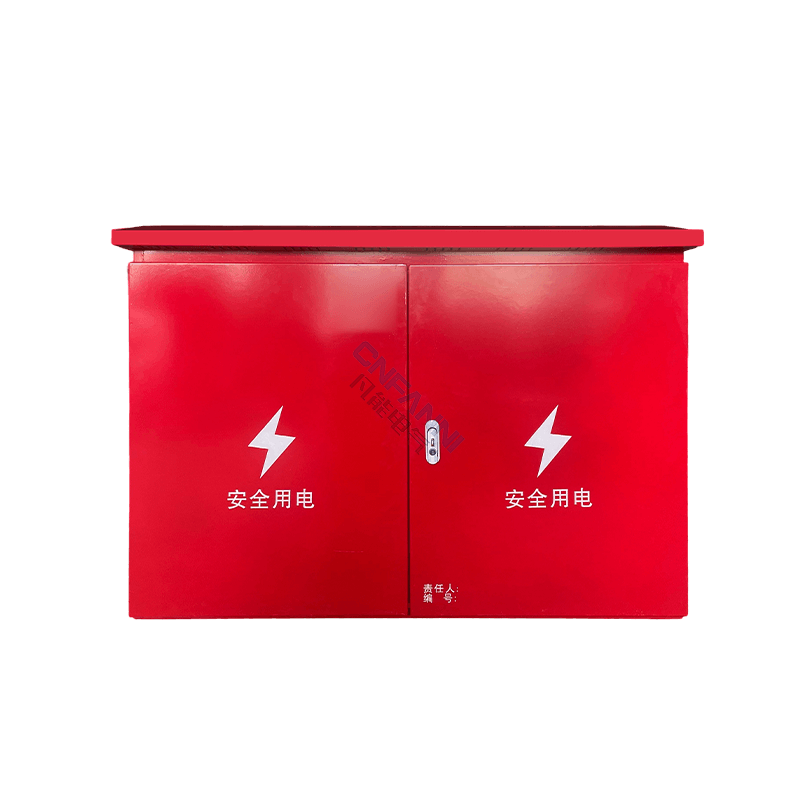
عربىIndustrial control systems are becoming more compact while the equipment inside them continues to generate heat and require protection from dust, moisture, vibration, and other environmental conditions. Recent industry discussions are placing more attention on thermal management, protection ratings, modularity, and the relationship between an enclosure and the equipment installed inside it. For panel builders, machine manufacturers, and procurement teams, choosing an Electrical Enclosure Manufacturer should therefore begin with the actual operating environment and internal equipment rather than simply comparing cabinet dimensions.
Start With the Installation Environment
The first question is where the enclosure will be installed. An electrical cabinet located inside a clean control room faces different conditions from one installed beside production machinery, outdoors, or in an area exposed to dust, moisture, oil, or chemical substances.
Before requesting a quotation, buyers should identify the expected temperature range, humidity, dust exposure, water contact, vibration, and available installation space. This information helps the manufacturer recommend an enclosure construction and protection level that correspond to the actual application instead of relying on a generic cabinet specification.
IP and NEMA Ratings Need Context
Protection ratings are often among the first specifications buyers compare, but the rating itself does not describe every aspect of an enclosure's suitability. Engineers need to understand what level of protection is required by the installation environment and which standard applies to the target market.
IEC 62208:2023, for example, specifies general requirements, classifications, characteristics, and test requirements for empty enclosures used with low-voltage switchgear and controlgear assemblies. It applies to enclosures for indoor and outdoor general use within its defined scope.
The key point for procurement teams is that an enclosure rating should be considered together with the completed electrical assembly and its intended application.
Thermal Management Should Start Before Cabinet Selection
A sealed enclosure can protect internal components from environmental contamination, but it can also make heat management more challenging. PLCs, power supplies, drives, transformers, and other electrical components may all contribute to the internal heat load.
Recent enclosure engineering guidance recommends calculating the actual internal heat generation and considering ambient conditions before selecting a cooling method. Depending on the application, solutions can include passive heat dissipation, filter fans, heat exchangers, or air conditioning.
For buyers, this means the enclosure should be sized and configured with thermal requirements in mind rather than adding cooling equipment after the cabinet design is already fixed.
Internal Layout Can Affect Maintenance
An enclosure is not simply an empty metal box. The arrangement of mounting plates, DIN rails, cable ducts, terminals, breakers, drives, and control devices can influence wiring efficiency and future maintenance.
A practical internal layout should leave technicians enough access to inspect connections, replace components, and trace wiring. For customized projects, buyers should provide electrical drawings or equipment lists whenever possible so the manufacturer can consider mounting positions and cable-entry requirements during production.
Material and Finish Should Match the Environment
Steel, stainless steel, aluminum, and other enclosure materials can serve different applications. Selection should take into account mechanical requirements, corrosion exposure, weight, thermal behavior, appearance, and installation conditions.
For outdoor or corrosive environments, surface treatment becomes particularly relevant. In industrial facilities, the enclosure may also be exposed to oils, cleaning processes, or airborne contaminants. A manufacturer should therefore discuss material and finishing requirements based on the actual site conditions rather than treating all industrial installations alike.
Compliance Is More Than an Enclosure Rating
International projects often involve several standards, and buyers should avoid treating them as interchangeable. IEC 62208 addresses empty enclosures, while standards for complete assemblies, machinery, or industrial control panels can introduce additional requirements.
This distinction matters when sourcing a customized enclosure for a larger electrical system. The enclosure manufacturer should clearly define what has been tested or certified and what remains the responsibility of the panel builder or system integrator.
For overseas procurement teams, useful documentation may include:
- Material and surface-treatment information
- Dimensional drawings
- Mounting and cable-entry details
- Protection-rating information
- Applicable test documentation
- Customization and inspection records
What Should Buyers Ask an Electrical Enclosure Manufacturer?
A suitable supplier should be able to discuss the enclosure as part of the customer's complete electrical application. Dimensions, material, protection requirements, internal heat load, mounting layout, cable routing, installation environment, and customization needs should all be clarified before production begins.
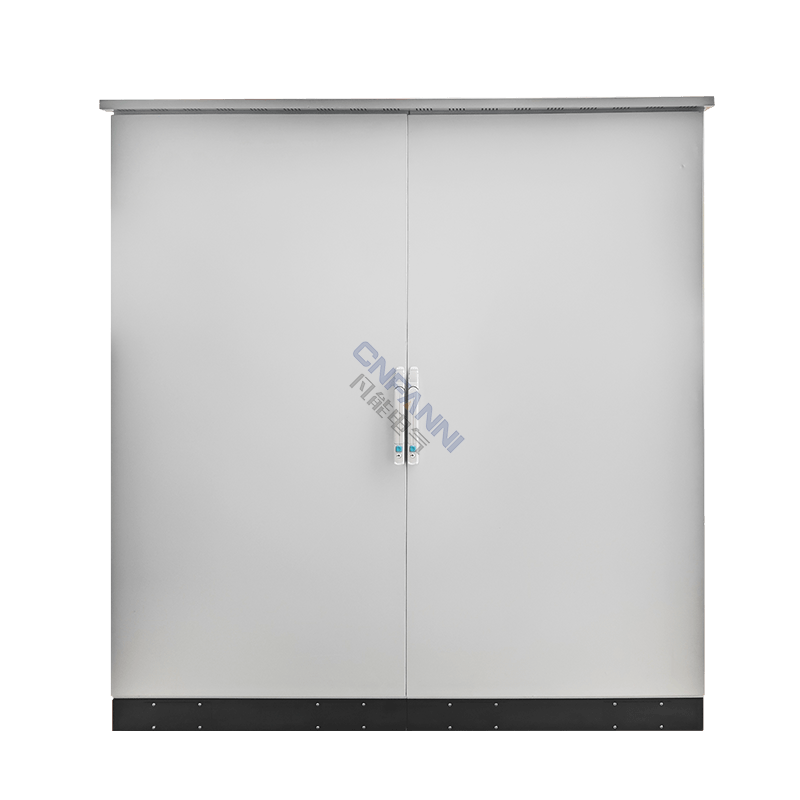
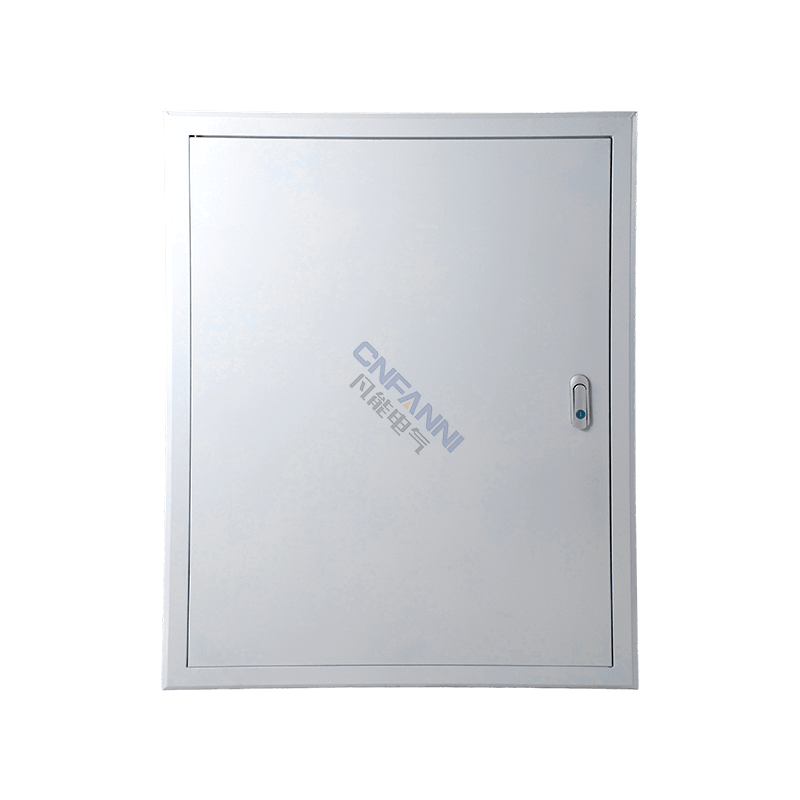
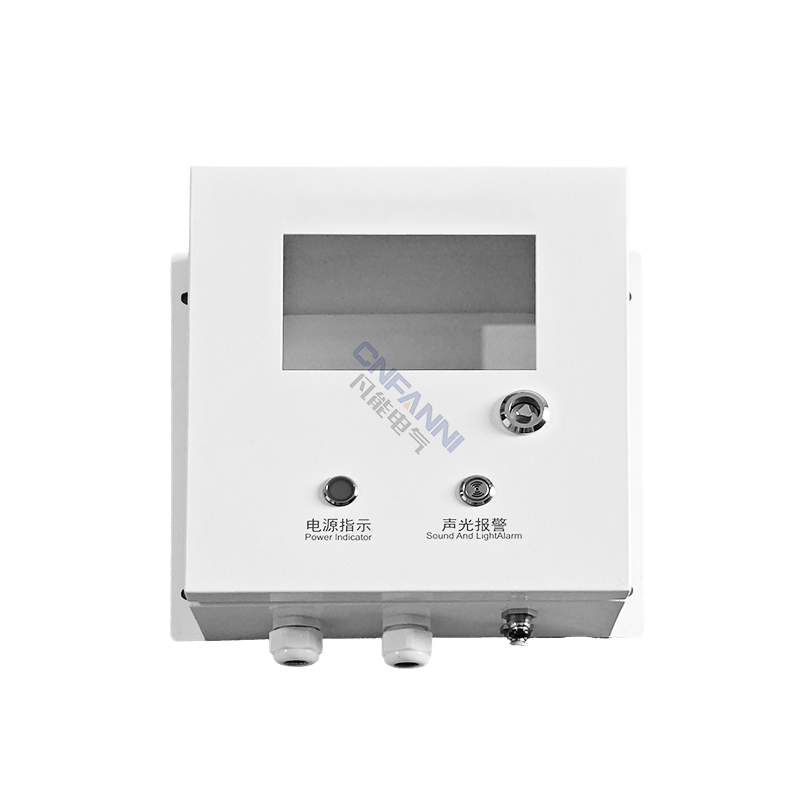
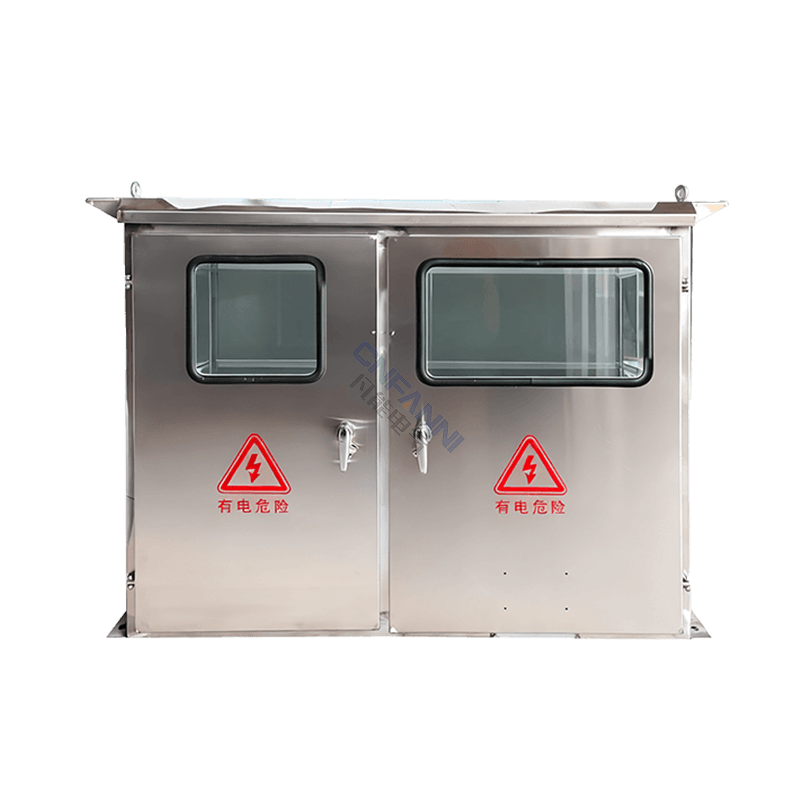
As an Electrical Enclosure Manufacturer, we focus on translating these engineering requirements into practical enclosure structures for industrial equipment, control systems, automation applications, and electrical installations. A well-specified enclosure can help protect internal components while making installation and maintenance more manageable. For buyers developing customized cabinets, working directly with an Electrical Enclosure Manufacturer at the design stage can also help identify thermal, structural, and installation considerations before they become production problems.