

 English
 русский
 عربى
عربىIn the field of electrical installation and industrial projects, outdoor electrical enclosures with IP65 rating have become a focal point for engineers, contractors, and facility managers. The IP65 classification ensures that the enclosure is dust-tight and can withstand water jets from any direction, providing a basic level of protection for outdoor electrical components. While the IP rating offers an initial benchmark, the long-term performance of enclosures depends heavily on material selection, environmental conditions, and proper installation practices.
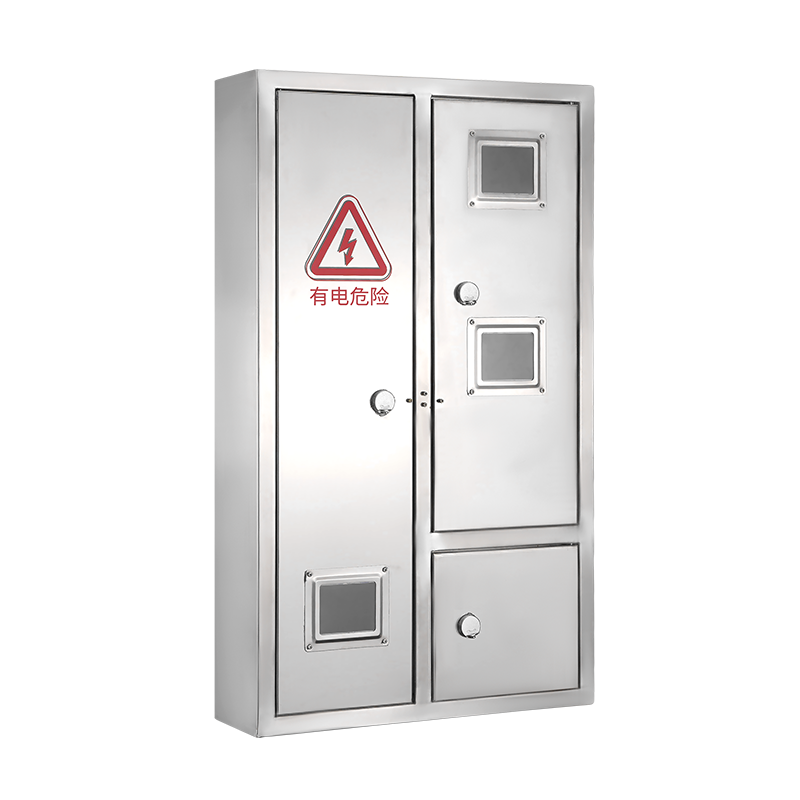
Material Selection and Environmental Suitability
Choosing the right material for outdoor enclosures is essential to ensure durability, corrosion resistance, and operational reliability. Common materials include:
| Material | Key Characteristics | Typical Environments |
|---|---|---|
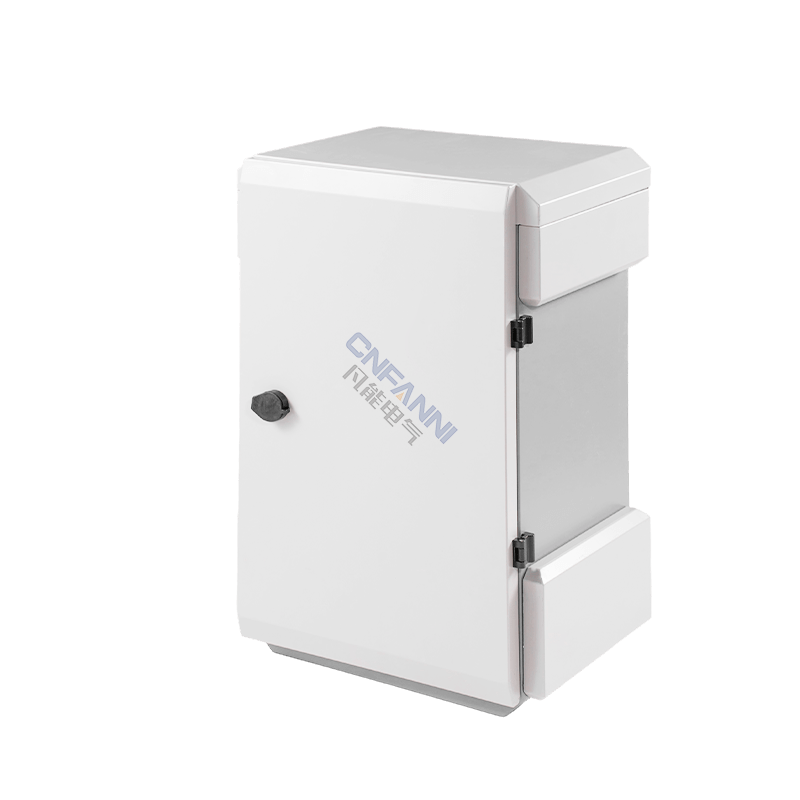
| Fiberglass Reinforced Polyester (FRP) | High corrosion resistance, lightweight, UV-resistant | Coastal areas, humid or industrial environments |
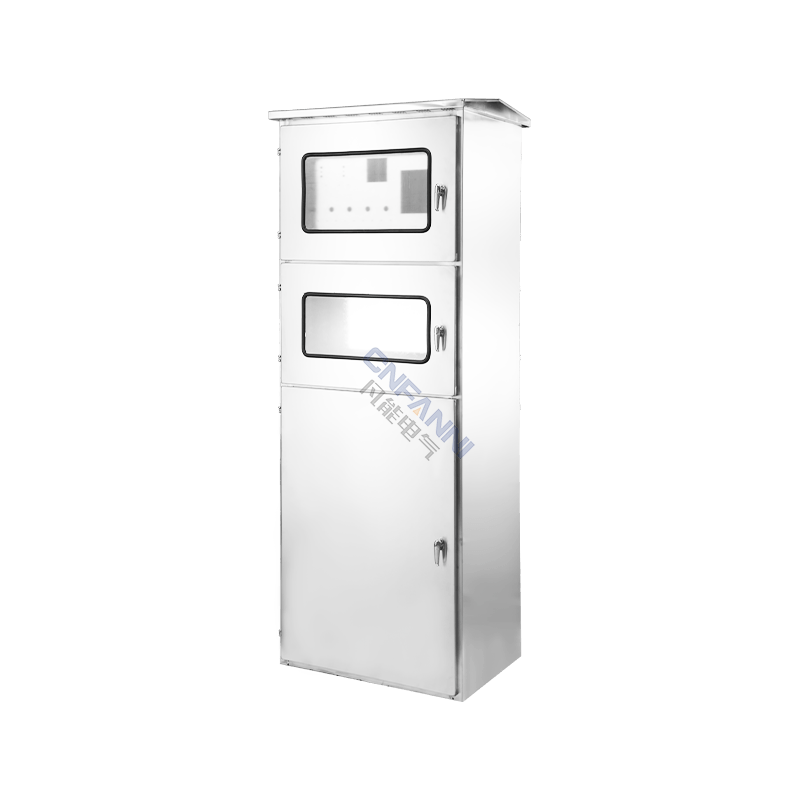
| Stainless Steel | Strong mechanical strength, corrosion resistant | Outdoor urban and industrial settings |
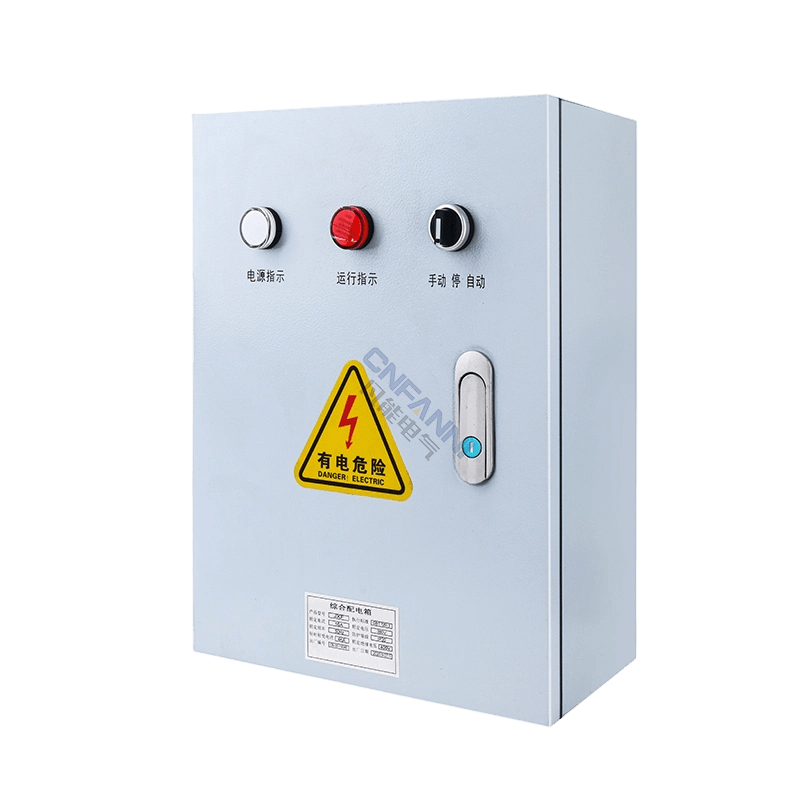
| Galvanized Steel | Moderate corrosion resistance, cost-effective | General outdoor use with occasional exposure to moisture |
| ABS Plastic | Lightweight, easy to mold, moderate impact resistance | Low-impact outdoor areas with limited UV exposure |
Each material has advantages and limitations. For example, FRP is suitable for high humidity or coastal regions due to its resistance to saltwater corrosion, while stainless steel is preferred for environments requiring mechanical strength and long-term durability. ABS plastic is often used where budget and lightweight installation are priorities, but it may degrade under prolonged UV exposure.
IP65: Installation Considerations
Although IP65 indicates water and dust protection, several installation details affect the real-world performance of outdoor enclosures. These include:
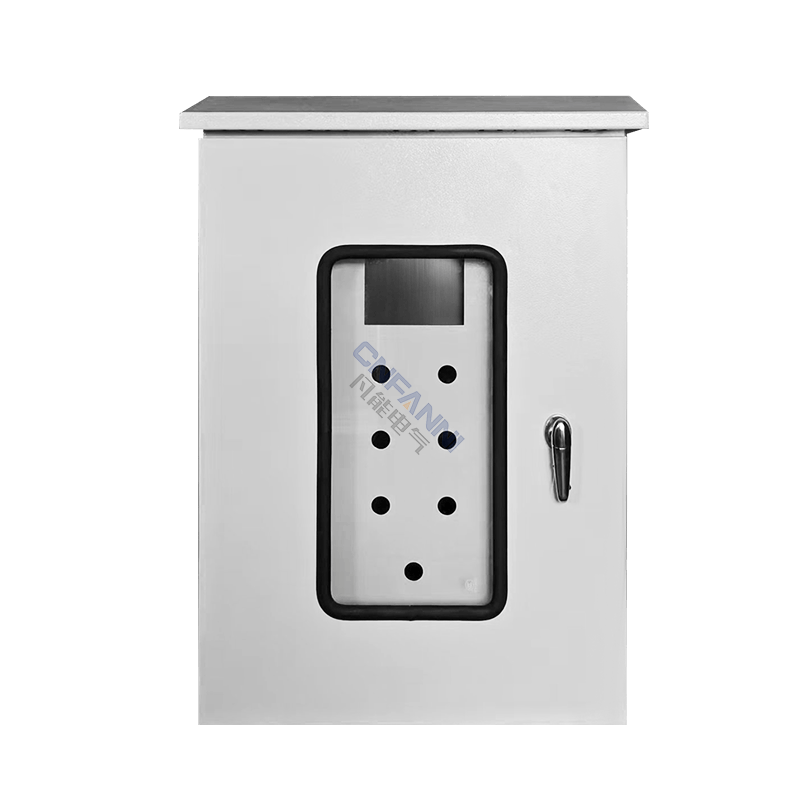
- Sealing and Gaskets: Proper use of silicone or neoprene gaskets ensures tight seals around doors and panels.
- Door and Latch Design: Multi-point latches and reinforced hinges can enhance protection against environmental stress.
- Corrosion Treatments: Powder coating, galvanization, or protective paints help extend the lifespan of metal enclosures.
- Ventilation and Heat Dissipation: Adequate airflow or heat sinks prevent overheating of internal components, especially in high-temperature regions.
- Cable and Conduit Entries: Using waterproof connectors and cable glands maintains the enclosure’s integrity against water ingress.
By addressing these aspects, the reliability of the electrical system is improved and potential failures caused by environmental factors can be minimized.
Practical Guidance for Choosing Enclosures
When selecting an outdoor electrical enclosure, it is essential to take a systematic approach that considers both environmental factors and operational requirements. The first step is to carefully assess the specific conditions where the enclosure will be installed. Factors such as humidity levels, exposure to direct sunlight, temperature extremes, and the presence of salt or corrosive agents in coastal areas can all influence the longevity and performance of the enclosure. Understanding these conditions helps determine which material and protective features are most suitable.
Material selection should strike a balance between durability, corrosion resistance, and cost-effectiveness. For example, fiberglass reinforced polyester (FRP) provides excellent resistance to humidity and salt air, stainless steel offers strong mechanical protection and corrosion resistance, while ABS plastic may be suitable for areas with lower environmental stress and lighter mechanical requirements. Evaluating the trade-offs between initial investment and long-term maintenance needs is key to ensuring cost-effective protection.
Beyond the IP65 rating, practical installation considerations significantly affect the enclosure’s real-world performance. Proper gaskets, multi-point door latches, and corrosion treatments enhance sealing and mechanical integrity. Ventilation solutions such as vents or heat sinks prevent internal overheating, while correctly installed cable glands and conduit entries maintain water and dust resistance. Paying attention to these details ensures that the enclosure functions reliably even in challenging conditions.
Regular inspection and maintenance are equally important. Scheduled checks allow early detection of gasket wear, corrosion, or loose fittings, which can prevent failures before they impact electrical systems. This proactive approach extends the service life of the enclosure and minimizes downtime.
Ultimately, careful planning, thoughtful material selection, precise installation, and consistent maintenance make IP65 enclosures more than a protective rating. They become a central element in safeguarding electrical systems, supporting long-term reliability, operational safety, and overall system stability in diverse outdoor environments.