

 English
 русский
 عربى
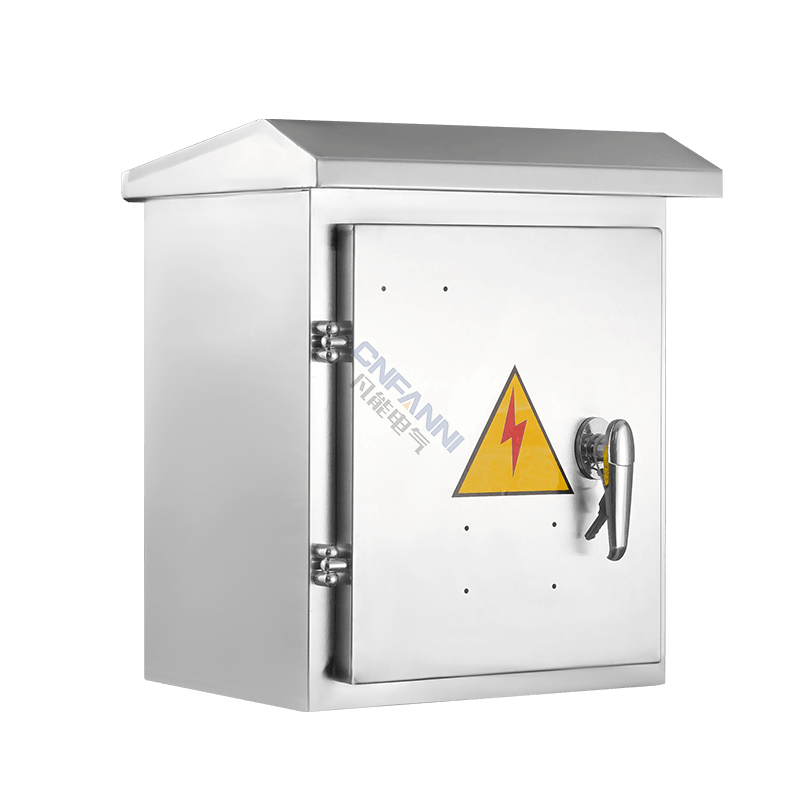
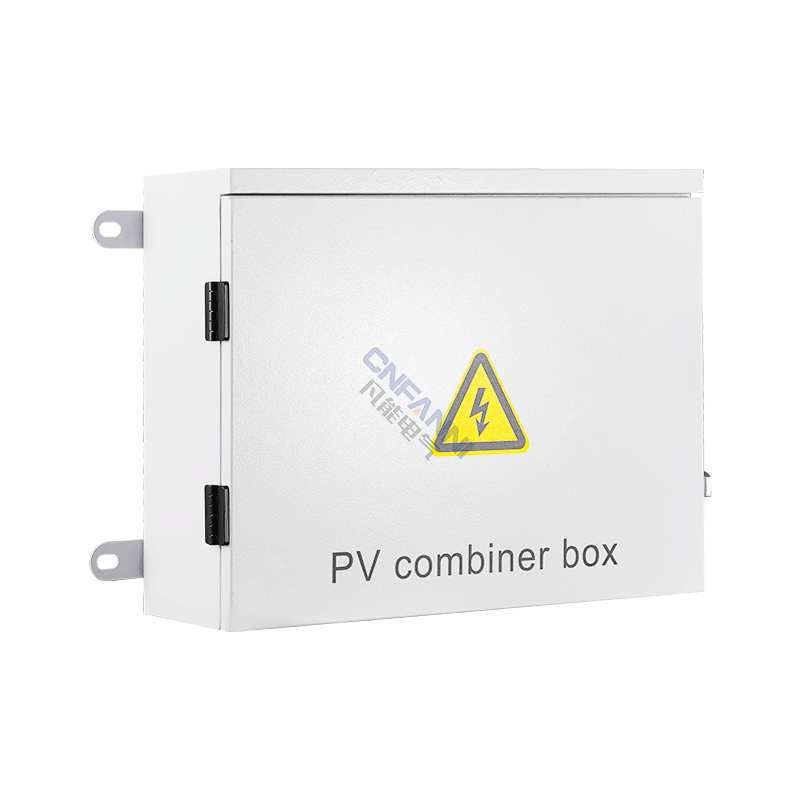
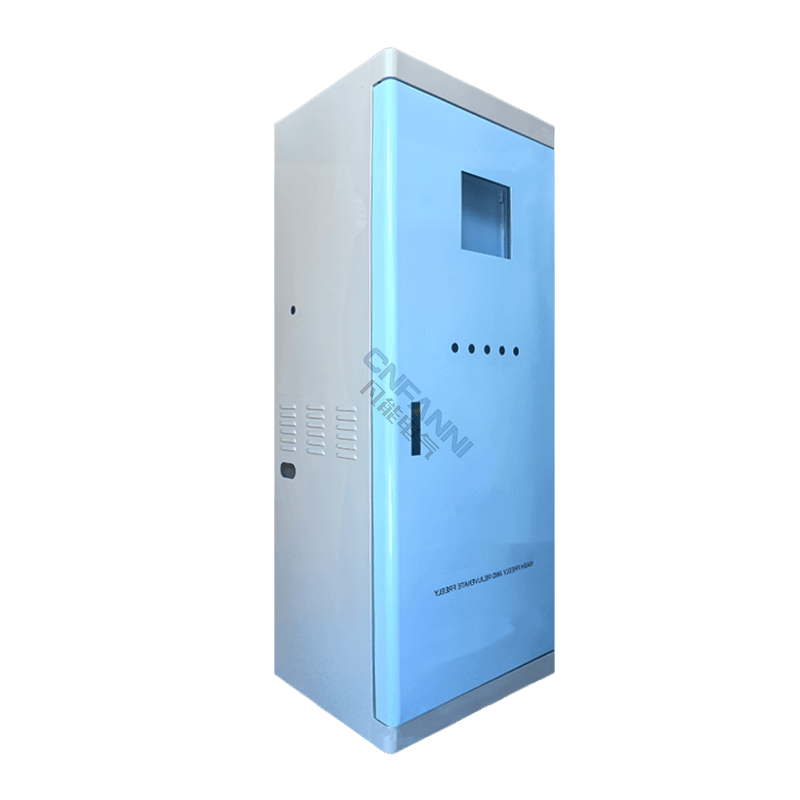
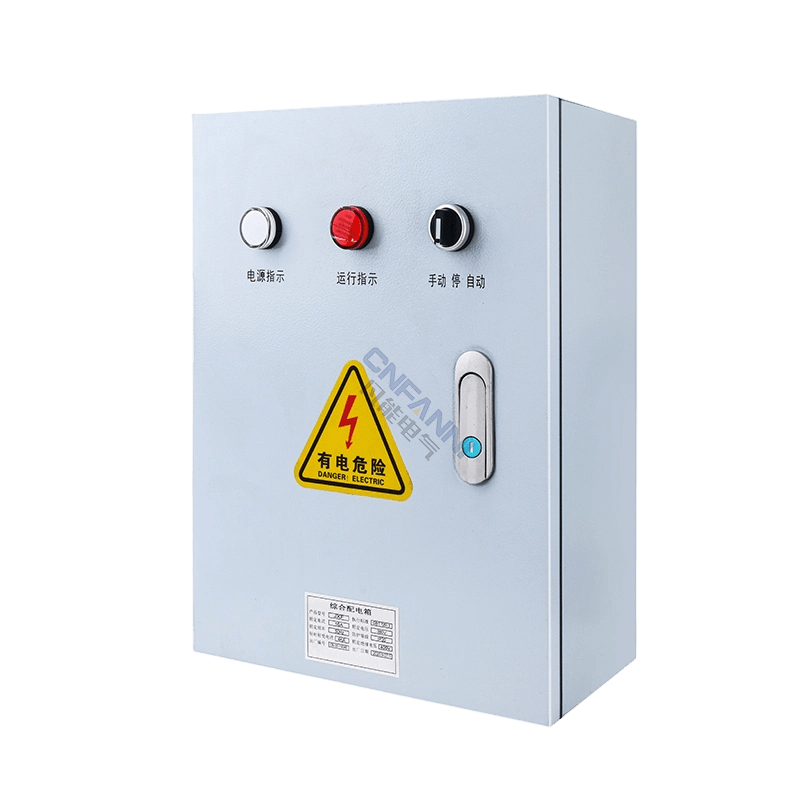
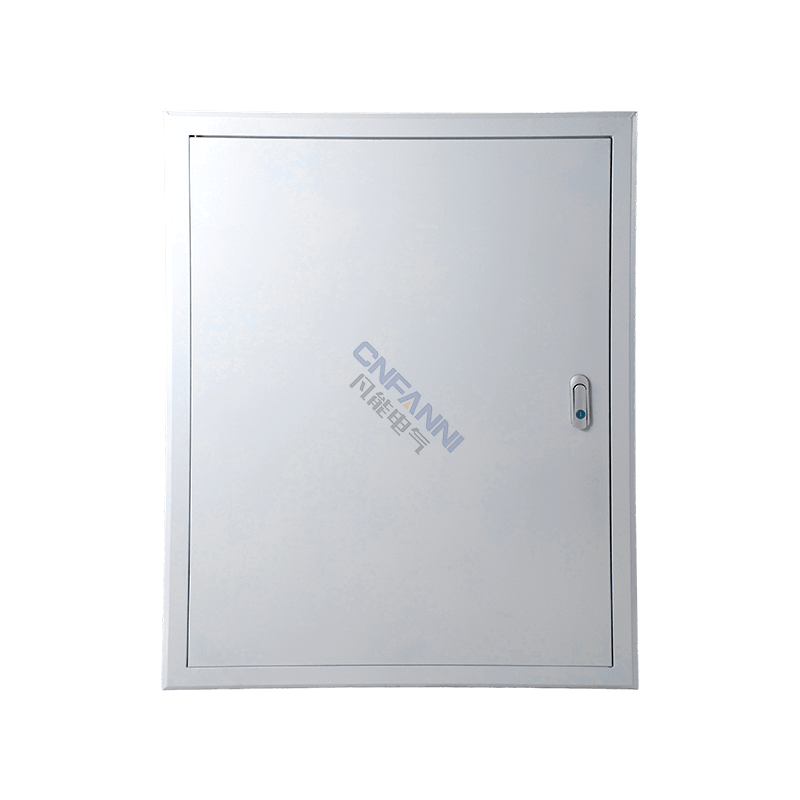
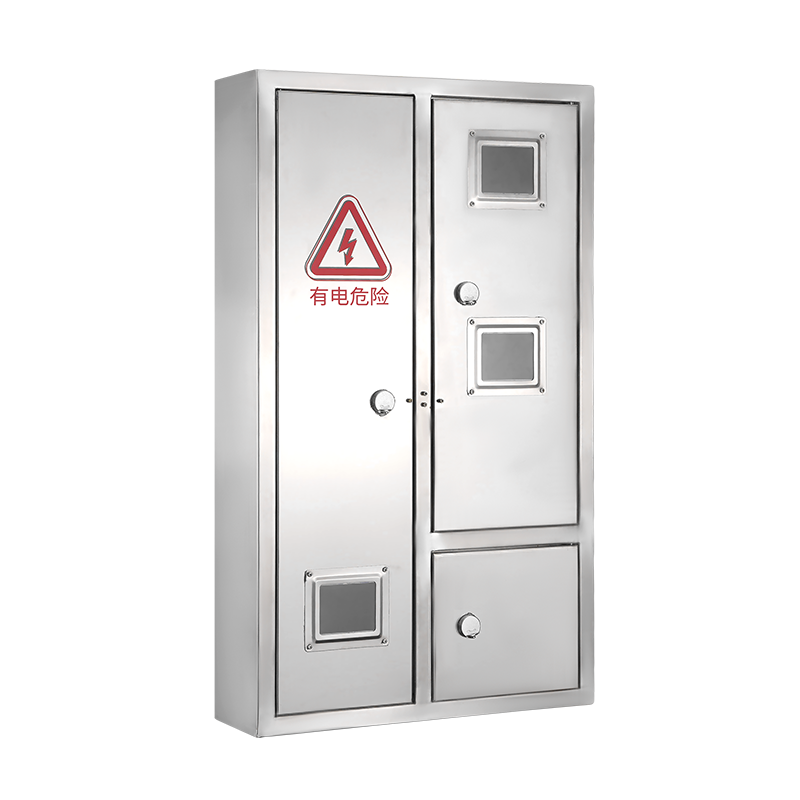
عربىThe demand for Stainless Steel Electrical Cabinet IP66 is rising globally as industries look for safety, durability, and longevity. These cabinets — made from stainless steel, usually 304 or 316 grade — provide strong protection for electrical and control systems in challenging environments. They are widely used in manufacturing, energy infrastructure, chemical processing, marine installations, and food and beverage plants because of their corrosion resistance and dust‑ and water‑tight sealing.
Why IP66 Is Important
“IP66” indicates that the cabinet is dust‑tight and can resist powerful water jets from any direction. This makes it ideal for outdoor use, harsh industrial environments, or sites needing frequent washdowns, such as food processing plants or chemical factories. Key benefits include:
- Complete dust protection — essential in dusty industrial or coastal areas.
- Protection against strong water jets — important for cleaning-heavy facilities or outdoor exposure.
- Corrosion resistance — stainless steel, especially 316 L, stands up to humidity, salt spray, or chemical exposure better than standard metals.
Due to these qualities, stainless steel IP66 enclosures are used in marine installations, renewable energy control systems, water treatment plants, chemical and food processing, and petrochemical or refinery operations.
Industrial Applications
- Outdoor control panels: Safe housing for electrical and automation systems exposed to weather.
- Marine and offshore control boxes: Withstand saltwater, wind, and rain.
- Food and beverage plants: Survive frequent washdowns and exposure to moisture or cleaning chemicals.
- Renewable energy sites: Protect inverters, switchgear, and monitoring equipment from dust and water.
- Water and wastewater control: Ensure consistent operation in humid or wet environments.
- Chemical plants: Resist corrosion from industrial chemicals and maintain safety standards.
Practical Advantages
Choosing a stainless steel IP66 cabinet offers several practical benefits:
- Long-term durability: Withstands corrosion, moisture, salt spray, and harsh weather.
- Reliable protection: Dust- and water-tight enclosure keeps electrical equipment safe.
- Flexible design: Customizable size, thickness, door type, mounting style, ventilation, and locking mechanism.
- Safety and compliance: Meets hygiene, electrical, and industrial safety requirements.
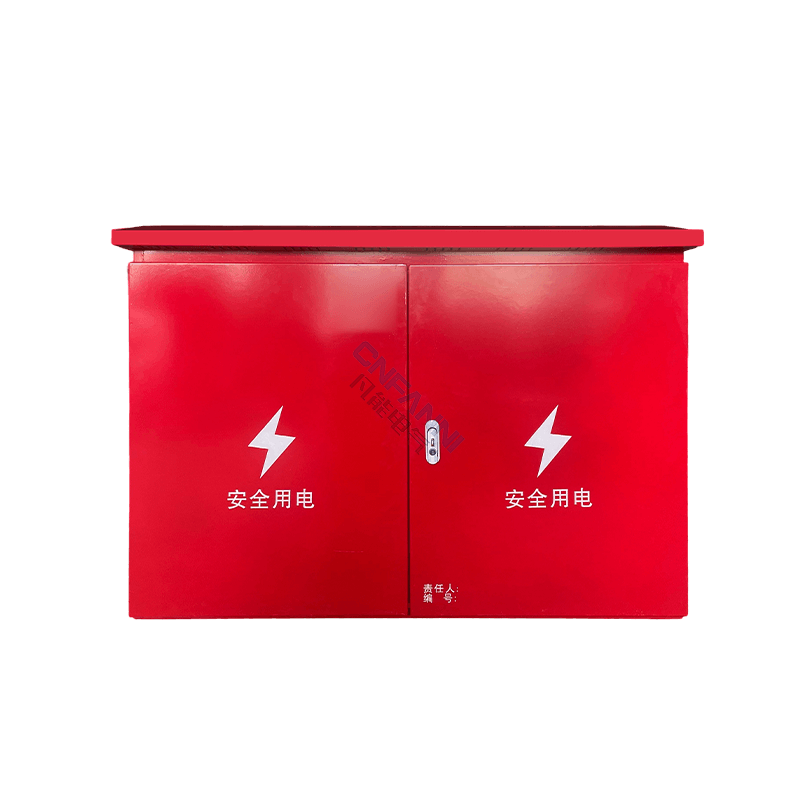
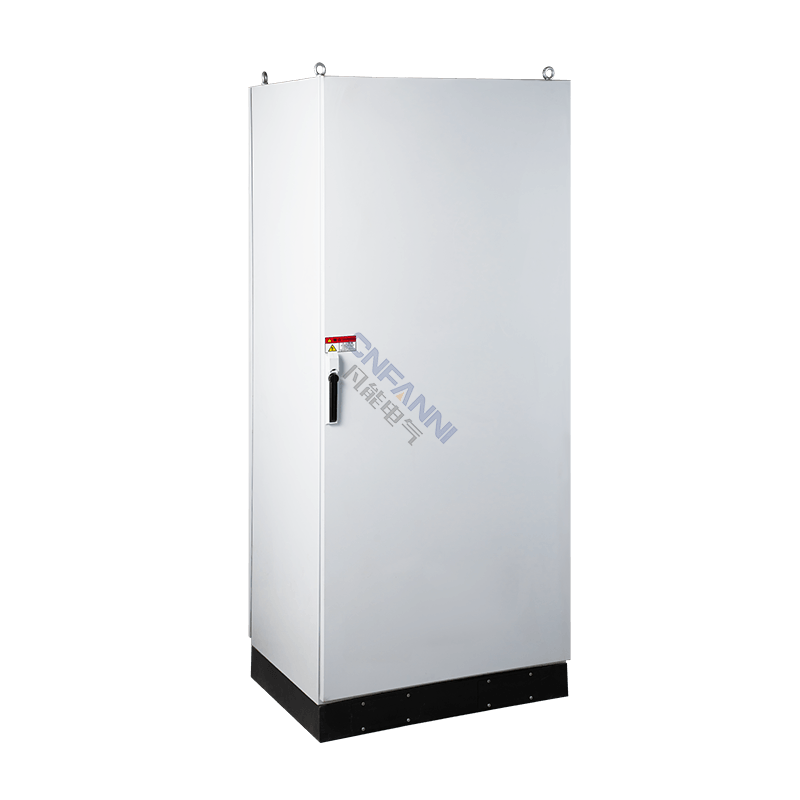
Many buyers request custom dimensions and features to fit specific equipment or project requirements, making these cabinets highly adaptable to diverse applications.
FAQ: Common Buyer Questions
Q: Can plastic or painted steel replace stainless steel?
A: In mild indoor environments, they may work. However, in humid, coastal, chemical, or outdoor settings, stainless steel offers much better durability and corrosion resistance.
Q: What does customization include?
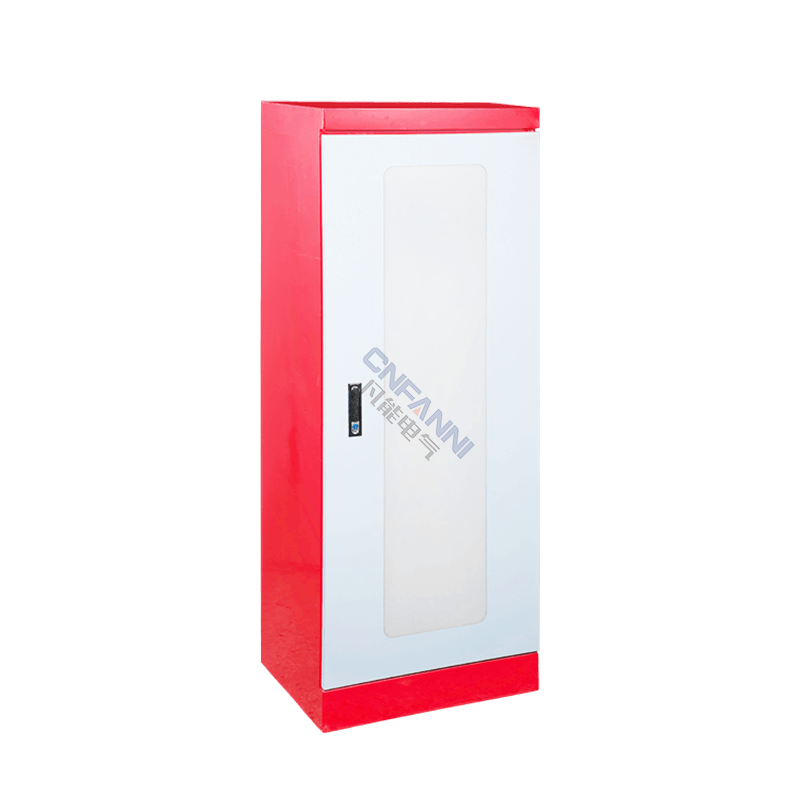
A: Size, thickness, mounting style, ventilation, lock type, and door design (solid or glass) can all be tailored to specific project needs.
Q: Can these cabinets handle outdoor conditions long-term?
A: Yes. IP66 ensures protection from dust and strong water jets, and stainless steel resists corrosion and weathering. 316 L grade is preferred in highly corrosive environments.
Q: Are these cabinets suitable for sensitive electronics?
A: Absolutely. They protect automation controllers, communication equipment, and electrical panels from dust, moisture, impact, and corrosion.
Conclusion
Stainless Steel Electrical Cabinet IP66 provides reliable protection for electrical systems in demanding environments. Its dust- and water-resistant design, corrosion-resistant stainless steel material, and customizable options make it suitable for industries such as energy, manufacturing, marine, food processing, and chemical production. For projects requiring durability, safety, and environmental resilience, investing in an IP66 stainless steel cabinet is a practical and effective choice.