

 English
 русский
 عربى
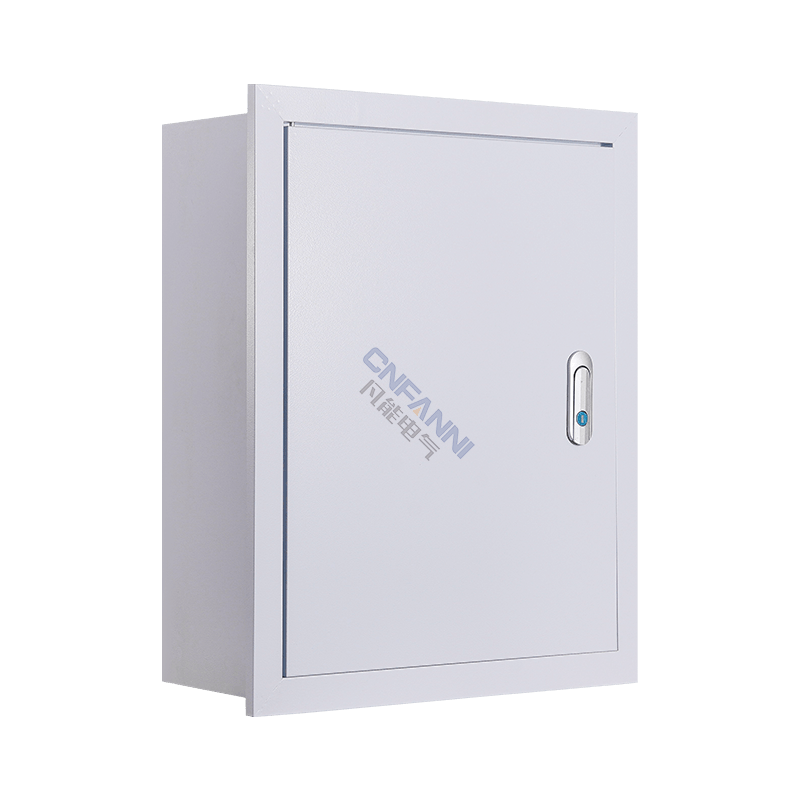
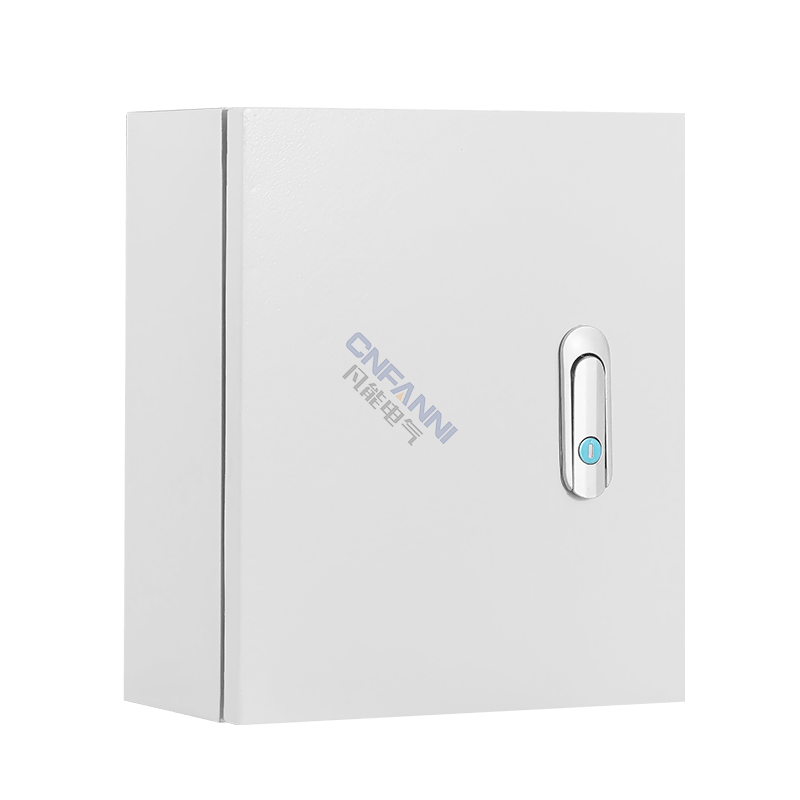
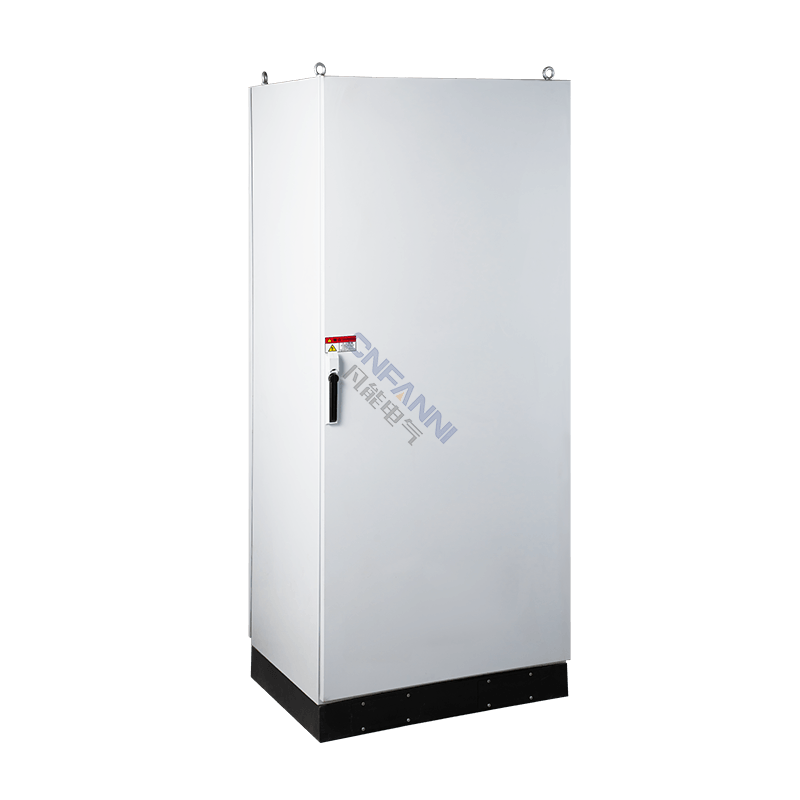
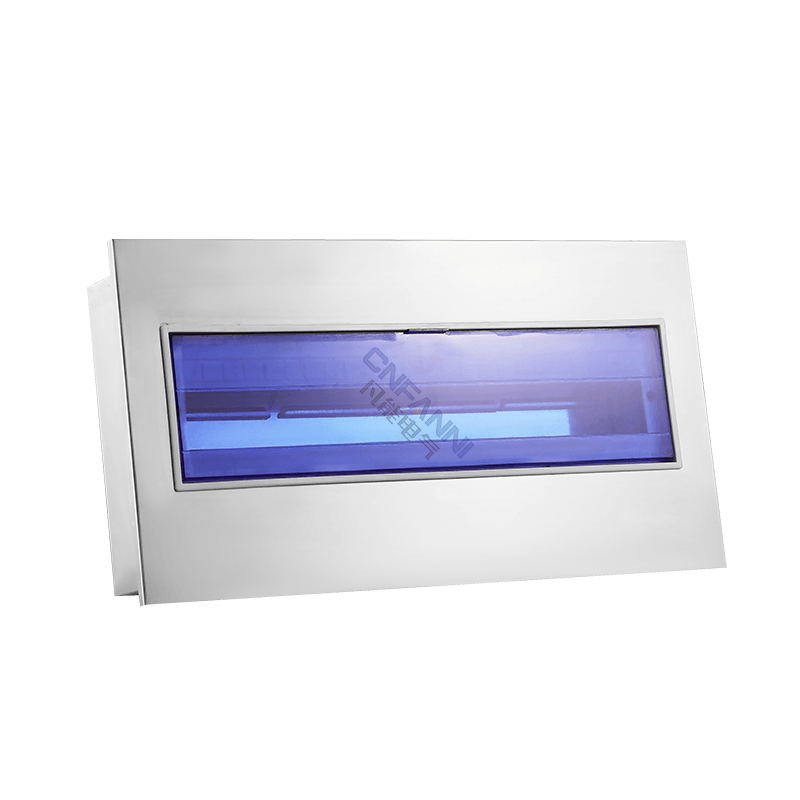
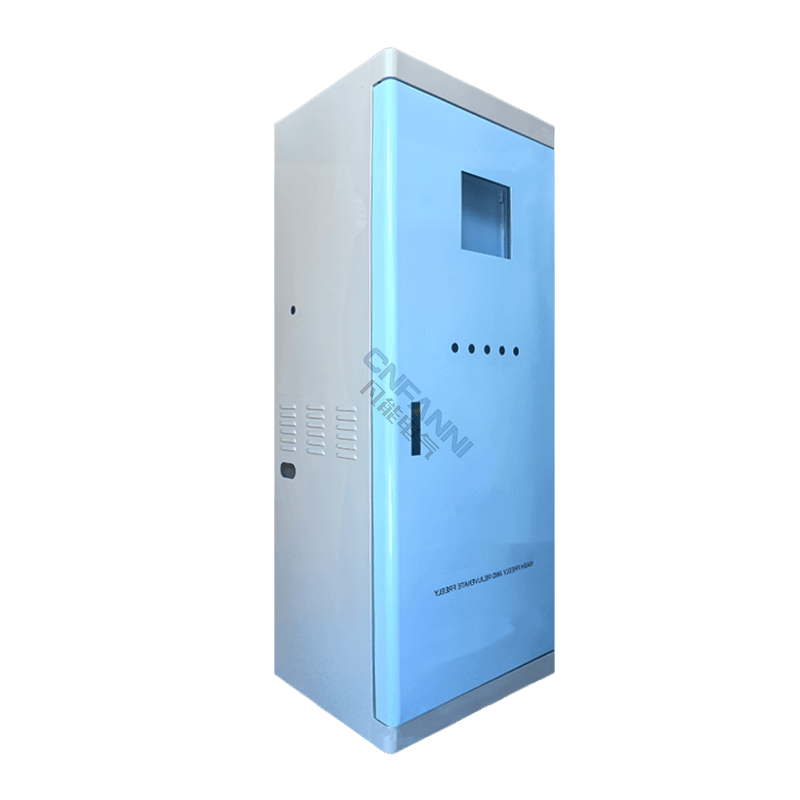
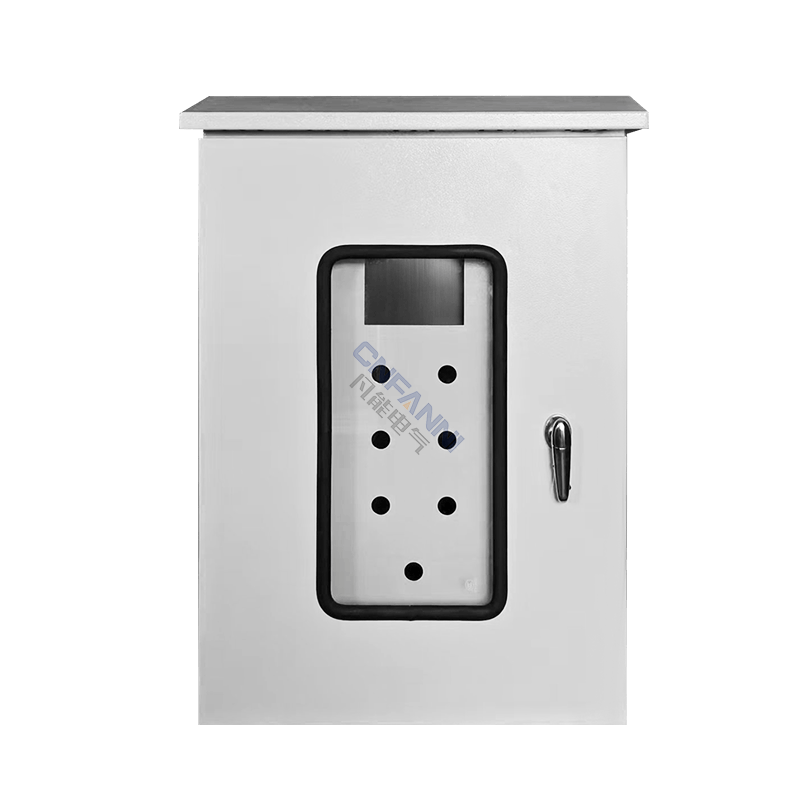
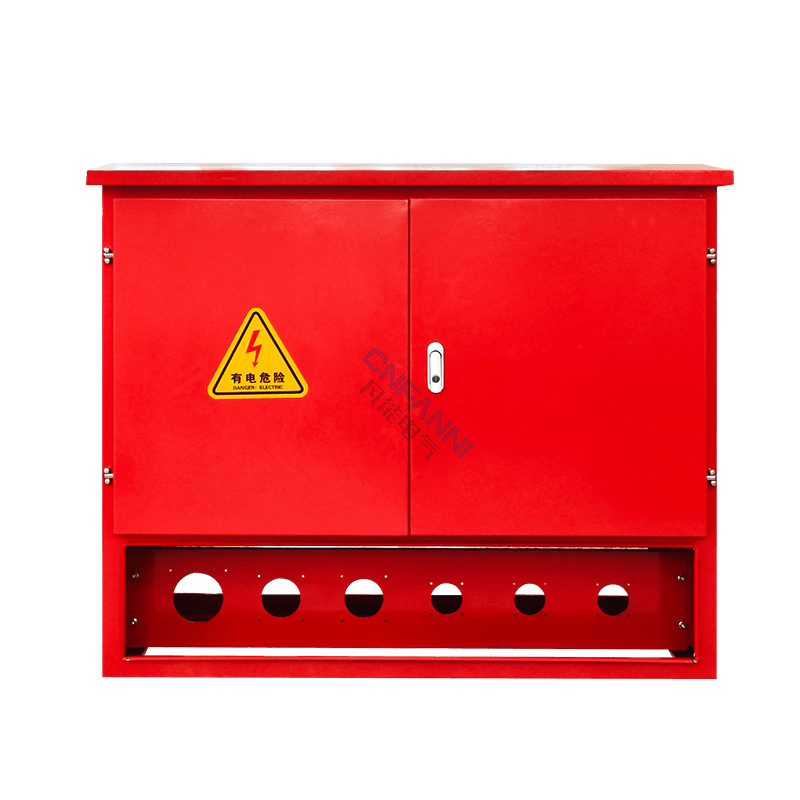
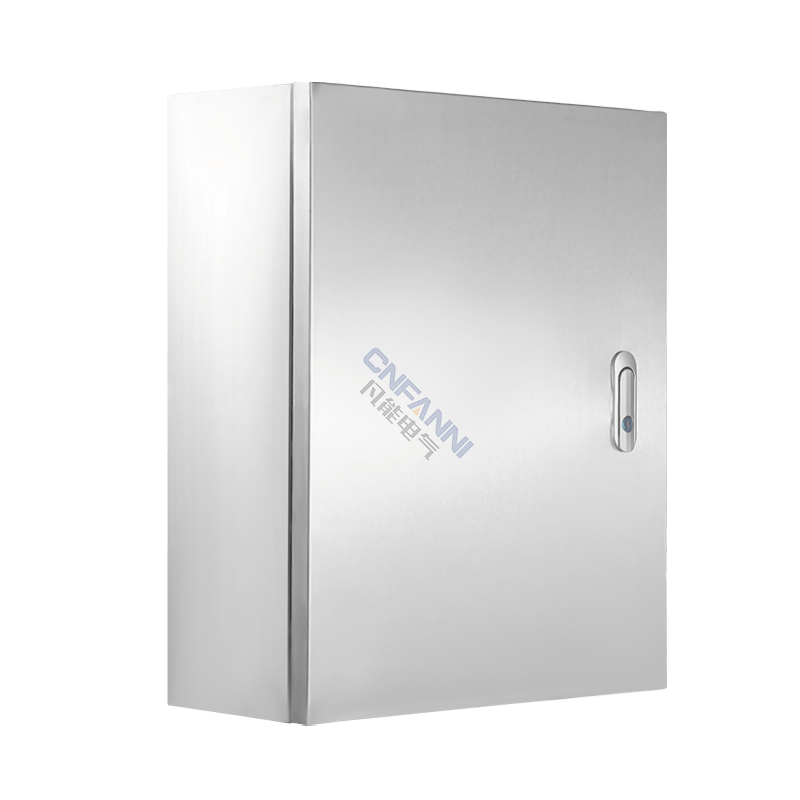
عربىThe growing reliance on Distribution Board OEM solutions and robust Stainless Steel Electrical Cabinet IP66 systems reflects a clear global trend: industrial electrical networks are becoming more complex, more connected, and more sensitive to failure points. Across manufacturing plants, renewable energy sites, transportation hubs, and commercial infrastructure, even minor electrical interruptions can now lead to significant operational disruption.
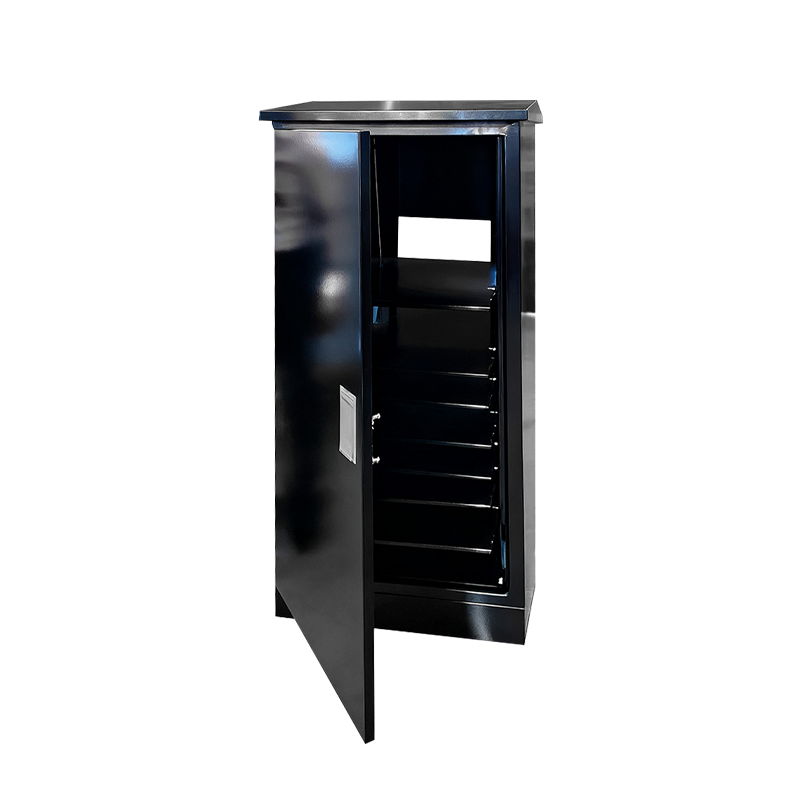
Recent industry discussions across overseas engineering communities and industrial procurement platforms highlight a common concern—downtime is no longer just a maintenance issue, but a direct cost driver affecting productivity, safety, and system reliability. As industrial automation expands, electrical distribution systems are under higher continuous load and stricter environmental conditions than ever before.
System Complexity Is Increasing Failure Sensitivity
Modern industrial facilities are no longer simple power distribution environments. Instead, they integrate automation, sensors, monitoring systems, and energy management technologies within the same electrical infrastructure.
This increasing complexity introduces several risks:
- Higher dependency on stable power distribution
- More interconnected control components
- Sensitive automated production lines
- Increased risk of cascading system failures
- Reduced tolerance for electrical instability
As a result, even small faults inside distribution systems can now impact entire production workflows.
Harsh Operating Conditions Are Accelerating Wear
Many industrial and infrastructure projects operate in environments where temperature, humidity, dust, and corrosion are constant challenges. Traditional electrical protection systems often struggle to maintain stability under such conditions.
Common environmental stress factors include:
- Outdoor exposure to rain and moisture
- Coastal corrosion from salt-laden air
- High dust concentration in industrial zones
- Continuous thermal cycling in power systems
- Vibrations in transportation or heavy machinery applications
These conditions significantly reduce the lifespan of poorly protected electrical enclosures and increase maintenance frequency.
Outdated Distribution Systems Lack Modern Protection Design
Older electrical distribution solutions were often designed for simpler load conditions and less demanding environments. Today’s industrial requirements expose their limitations more clearly.
Typical weaknesses include:
- Insufficient sealing against dust and water ingress
- Limited structural reinforcement
- Poor heat dissipation under high load
- Inflexible internal wiring layouts
- Weak compatibility with modern automation components
These design limitations increase the likelihood of unexpected downtime in modern applications.
Smart Energy Systems Require Higher Stability Standards
The rise of smart grids, renewable energy integration, and automated energy management systems has raised expectations for electrical distribution reliability. System instability is no longer acceptable in most industrial environments.
Modern electrical systems now require:
- Stable load distribution performance
- Reliable enclosure protection in all environments
- Compatibility with monitoring and control systems
- Efficient thermal management design
- Reduced maintenance intervention requirements
As energy systems become smarter, their supporting infrastructure must also become more stable and predictable.
Manufacturing Quality Directly Impacts System Reliability
In industrial procurement, buyers are increasingly recognizing that downtime risks often originate from manufacturing inconsistencies rather than system design alone.
Professional production systems help improve reliability through:
- Stable sheet metal fabrication accuracy
- Consistent sealing structure assembly
- Controlled surface treatment processes
- Standardized OEM production workflows
- Rigorous testing before shipment
Reliable manufacturing reduces variability and helps ensure long-term operational consistency across electrical installations.
Procurement Teams Are Prioritizing Risk Reduction
Overseas buyers are becoming more focused on reducing long-term operational risks rather than only optimizing initial procurement costs. Engineering teams are now evaluating suppliers based on system stability and lifecycle performance.
Key evaluation criteria include:
- Resistance to environmental stress
- Ease of maintenance and inspection
- Structural durability over long-term use
- Compatibility with system upgrades
- Supplier reliability and production consistency
This shift reflects a broader trend toward lifecycle-based procurement strategies in industrial markets.
Future Electrical Infrastructure Will Focus on Resilience and Predictability
As global industrial systems continue to expand and digitize, electrical infrastructure will need to become more resilient, stable, and maintenance-efficient. Downtime prevention is expected to become a central design priority.
Future development trends include:
- Stronger environmental protection standards
- Smarter predictive maintenance integration
- Improved enclosure durability technologies
- More modular and upgrade-friendly systems
- Higher manufacturing precision requirements
As industrial systems become more dependent on uninterrupted operation, advanced Stainless Steel Electrical Cabinet IP66 solutions and reliable Distribution Board OEM manufacturing capability will play a key role in reducing downtime risks and supporting stable global industrial operations.